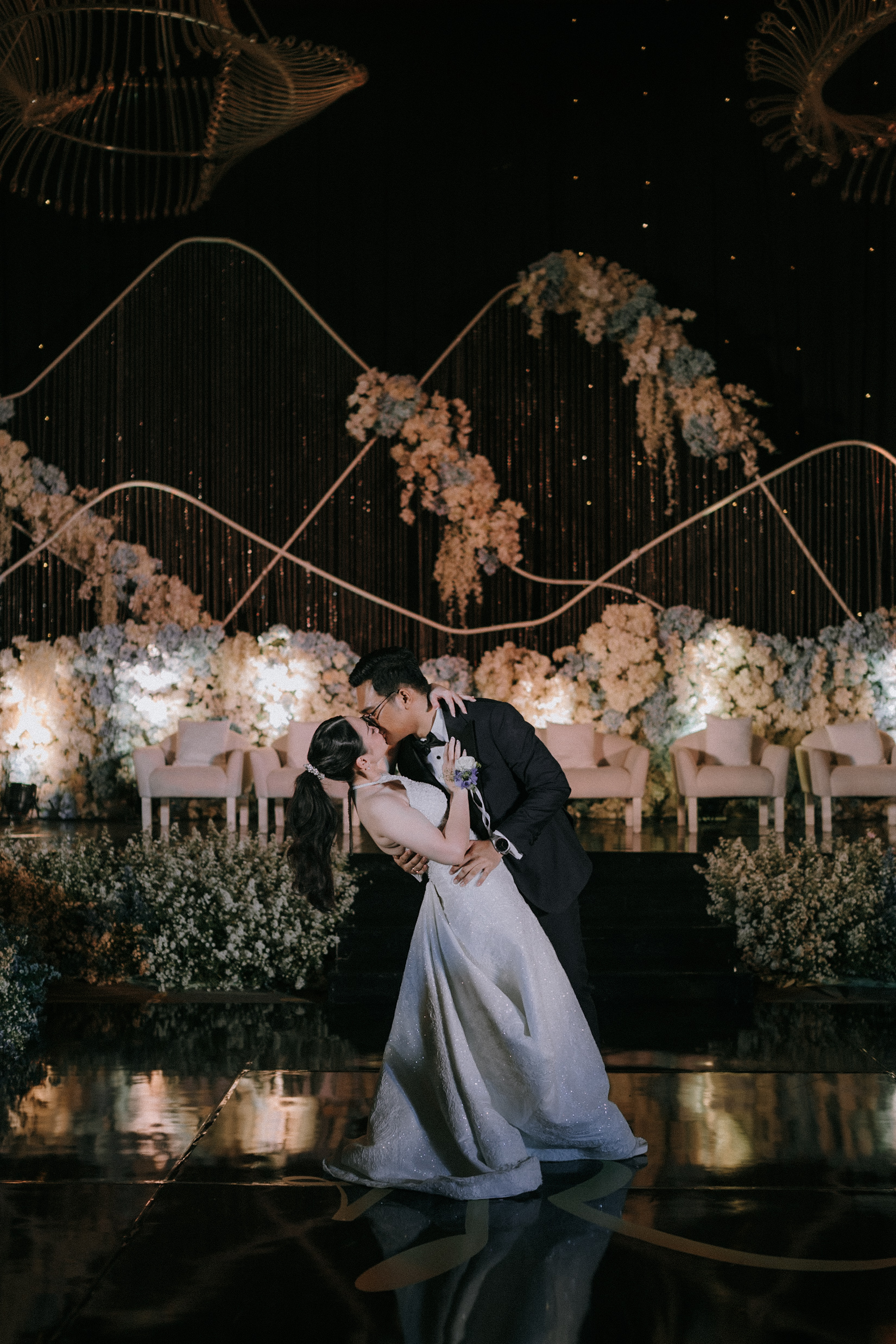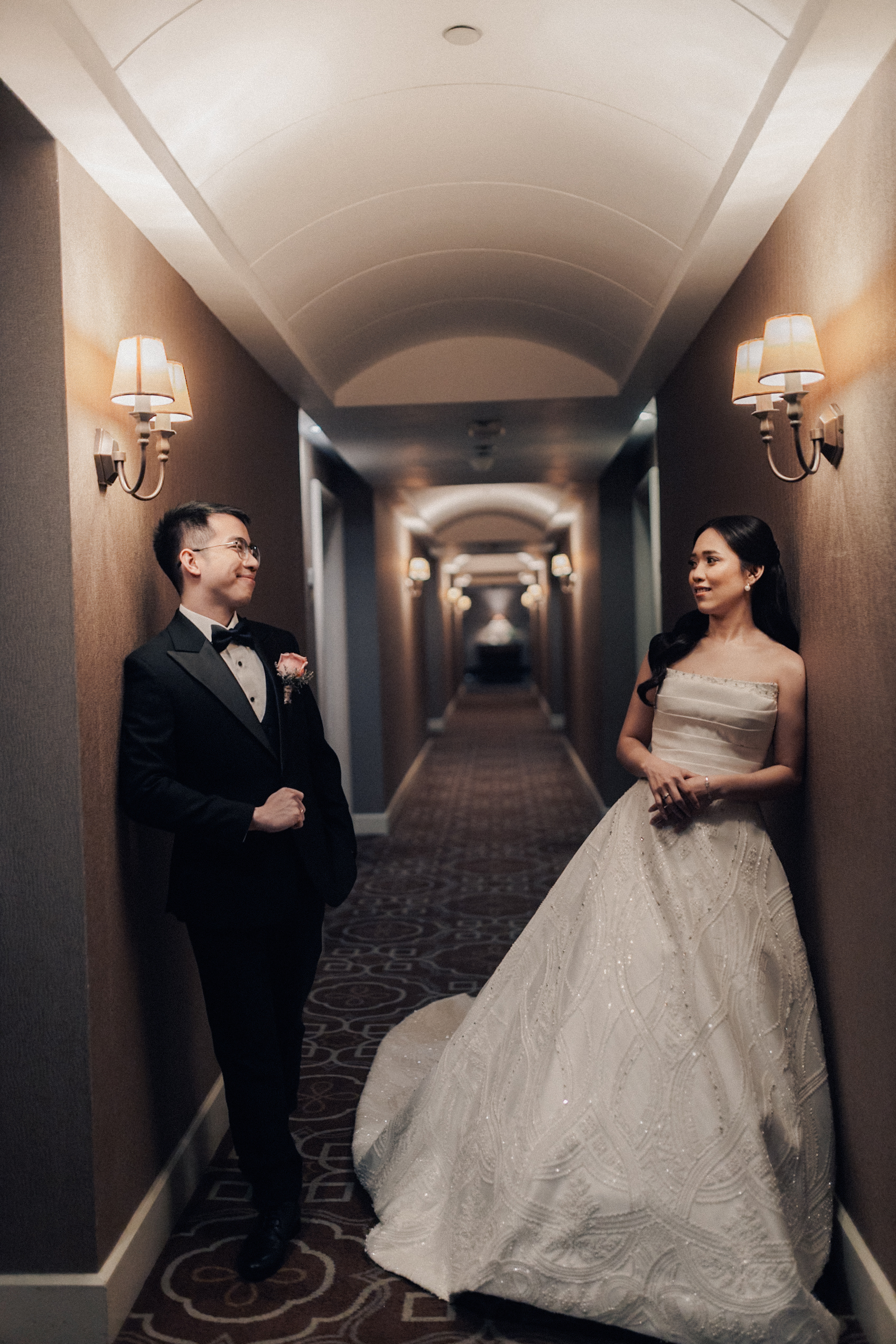
On a wedding day filled with hustle and bustle—people coming and going, cameras everywhere, music playing, and families in a frenzy—there’s one moment that usually suddenly makes the atmosphere slow and poignant: the veil closing.
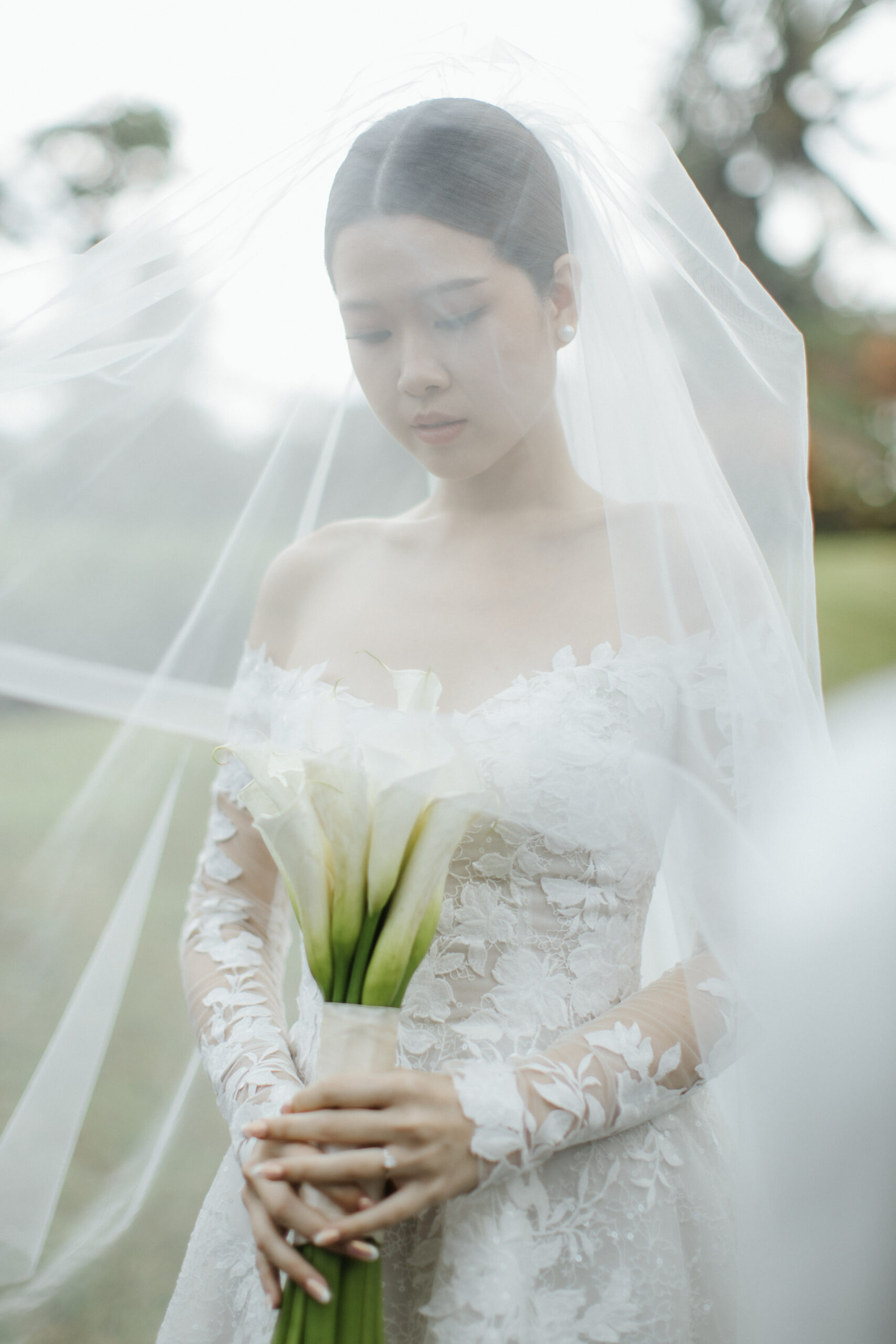
The veil looks like just a thin cloth, but when it’s lowered to cover the bride’s face, it feels like a pause button. Like the universe is saying, “Okay, hold on a second.” Take a deep breath first. This is an important moment.
The Veil Is Not Just an Accessory, But a “Vibe”
If you think about it, the veil has quite a profound meaning, even though its form is simple:
- Symbol ready to enter a new phase: from “I” to “we.” • Make the moment more sacred: especially before the vows/blessing. • Feels like having a safe space: the couple can focus, be calm, and not be affected by the surrounding chaos.
And yes, a veil also makes the photo/video results automatically aesthetic—soft, dreamy, and elegant.
Who is closing the veil? Usually the one who melts hearts
This is one of the most touching parts, because the person who closes the veil is usually someone very important:
- Mother: this is the most common one. The vibe is like “a mother’s last touch before her child officially becomes a wife.” • Father: it feels very protective. Like, “I’ll take care of you until here.” • Older sibling/close relative: still warm and personal.
- MUA: more practical, but can still be emotional if there is a prayer/blessing from the family afterward.
What makes this moment special is not just who the person is, but the way and the atmosphere.
When is the right time to close the veil?
So it’s not complicated and rushed, the veil is usually closed:
- 5–10 minutes before the akad/blessing, to keep it fresh and neat. • When walking in, if the concept is modern—to capture the drama. • In the dressing room before going out, if you want a more intimate and private vibe.
In short: don’t be too early (it will disrupt movement), don’t be too late (it will cause panic).
The Flow of the Veil Closing Ceremony (Simple Yet Impactful)
To make it look neat and cinematic, the usual order is like this:
1) The bride and groom should get ready first. Sit or stand comfortably. Take a deep breath, correct your posture. This is the moment to “gather yourself.”
2) The person who closes the veil should move slowly. Don’t rush—it’s the slowness that makes it feel sacred and good for the video.
3) Tidy up the head area. Check the tiara/hairpiece/hijab styling so that the veil doesn’t get stuck. This is important so that the veil falls smoothly.
4) The veil is lowered gently to cover the face. This is the highlight. Lower it gently, making sure not to pull on the false eyelashes or touch the lipstick.
5) Tidy up both sides to keep it balanced, not interfere with breathing, and remain comfortable.
6) Finishing: mini blessing. It can be a short hug, a pat on the shoulder, a kiss on the forehead, or a short prayer. It’s actually these short ones that often make me cry.
Why Does This Moment Often Give You Chills?
Because behind the veil that covers the face, the bride usually feels:
- “Okay, this is really happening.” • “After this, I’m going to make a lifelong promise.” • “Am I ready?” (even though I am) • and sometimes… the tears have been hiding all along.
A veil is like a “thin blanket” that calms the bride’s heart amidst the crowd.
Tips to Make the Veil Closure Moment Look Amazing in Photos/Videos
If you want the documentation results to have an expensive vibe:
- Look for soft lighting (near the window is the best). • Lower the veil slowly (seriously, don’t do it too quickly). • Avoid touching the face (to keep the makeup safe). • Take a detailed shot of the hands when the veil is lowered. • Take a close-up of the bride’s expression from behind the veil—this often becomes a favourite photo because it’s artsy.
Bonus: if the veil is made of fine tulle, the result will be more dreamy.
Additional to Make It Deeper (But Still Not Over the Top)
If you want to make it feel even stronger:
- A whisper of one sentence from the mother/father. Example: “Bismillah, may you be happy.” • A 10-second silence before walking to the akad. • A soft instrumental background (piano/strings) if possible.