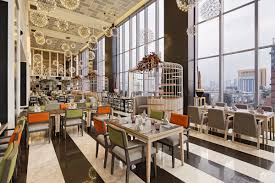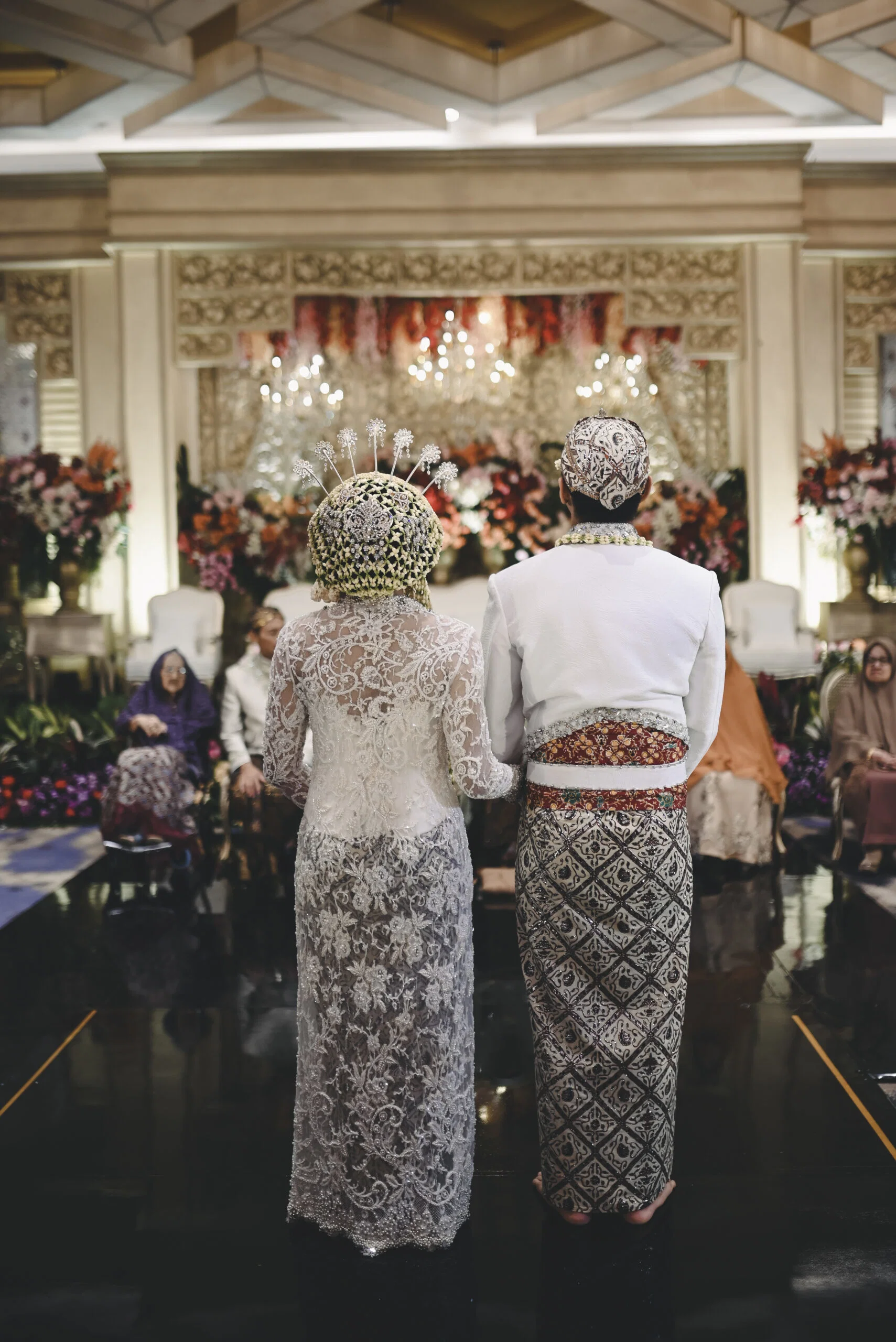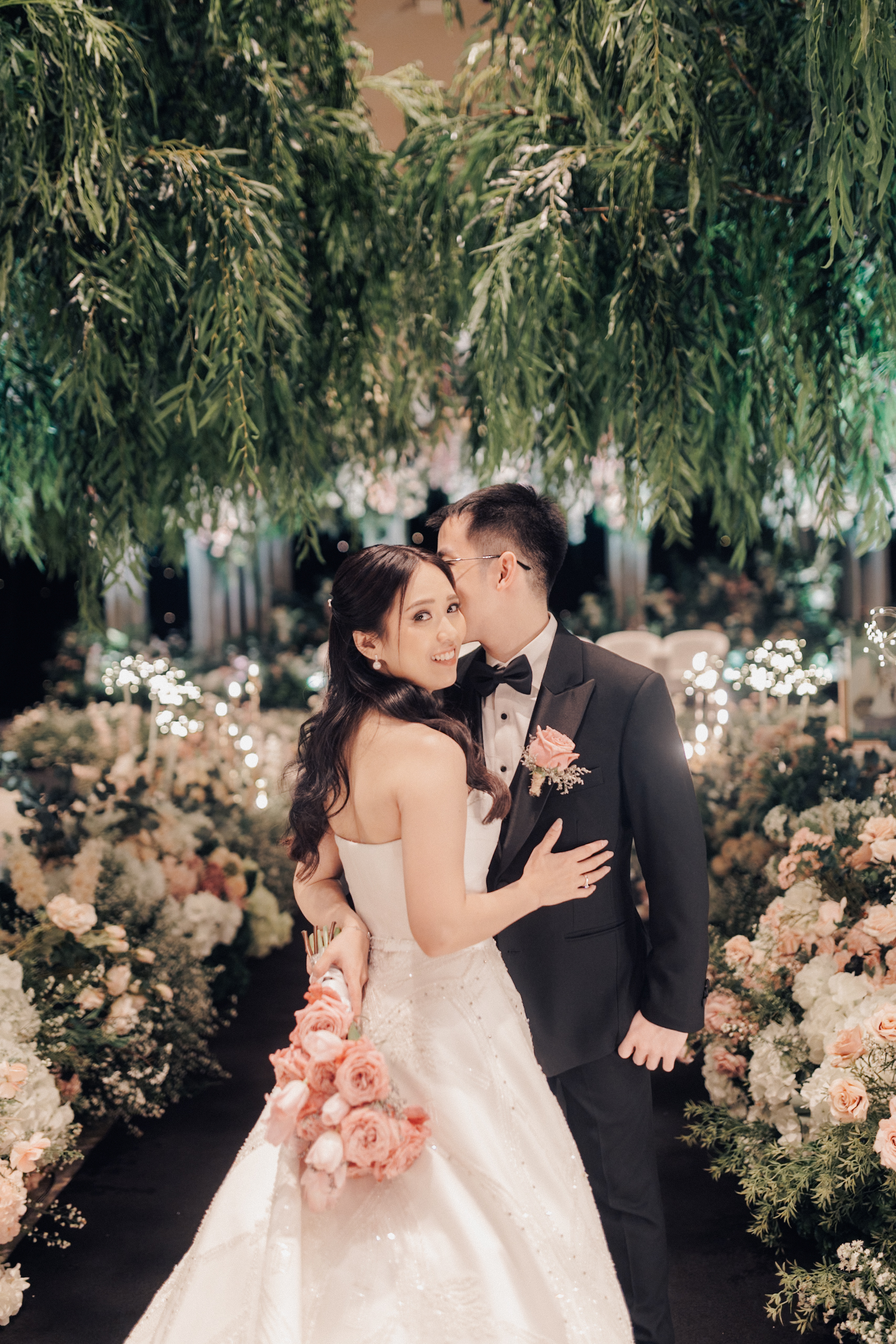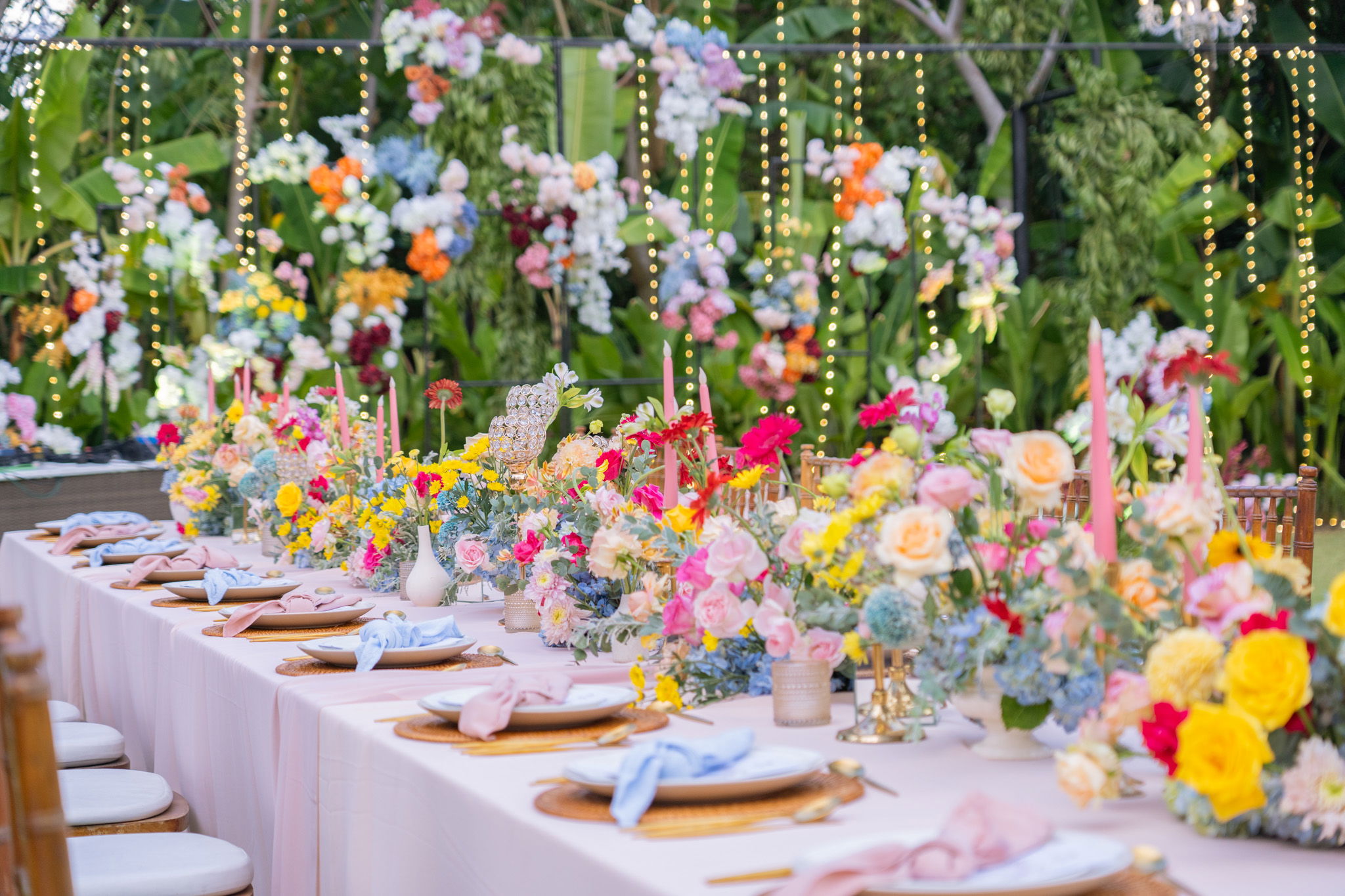
Wedding seating arrangements are far more complicated than most people realize, involving family dynamics, social balance, and event flow. To most guests, a seating chart looks simple.
People arrive at the venue, find their names on a board, sit at their assigned table, and continue enjoying the celebration without thinking much about it. But inside the wedding industry, seating arrangements are often considered one of the most stressful and unexpectedly emotional parts of planning a wedding.
What many people do not realize is that seating charts are not only about organization—they are about relationships.
Every table placement involves social dynamics, family situations, personalities, and sometimes even long-standing conflicts that couples must quietly navigate behind the scenes.
Wedding planners frequently say that seating charts become difficult not because of logistics, but because of human emotion.
Certain relatives may not get along. Some guests expect to sit close to the couple’s family. Friends from different circles may feel awkward together. Elderly guests may need easier access to exits or restrooms. Business colleagues often require different placement compared to close friends.
Suddenly, arranging tables starts to feel less like event planning and more like solving a giant social puzzle.
The challenge becomes even more complicated at large weddings.
In events with hundreds of guests, changing the placement of one person can affect entire table arrangements. A single guest addition may trigger multiple adjustments throughout the venue layout.
Interestingly, guest psychology also plays a surprisingly large role.
People naturally notice where they are seated because it subtly signals social closeness and importance. Even when unintentional, table placement can influence how welcomed or valued guests feel during the event.
Wedding organizers therefore spend significant time discussing seating strategy with couples.
Tables near the stage are usually prioritized for immediate family and VIP guests. Friends are grouped based on comfort and interaction. Older guests are often seated farther from loud speakers, while younger groups may be placed closer to entertainment areas.
Another hidden difficulty is balancing aesthetics with practicality.
Couples may want symmetrical layouts or visually perfect table arrangements, but real guest relationships rarely fit neatly into those designs. Organizers often need to compromise between visual styling and actual social comfort.
The rise of intimate weddings has changed seating dynamics as well.
Smaller guest lists usually allow more flexibility and natural interaction. In large weddings, however, seating becomes essential for maintaining flow, crowd movement, and guest management throughout the event.
Social media has also quietly influenced seating culture.
Modern weddings increasingly include curated lounges, VIP corners, and “Instagrammable” table layouts. Guests are now more visually aware of event spaces, making seating arrangements feel even more connected to the overall guest experience.
One of the most stressful moments for planners often happens only days before the wedding.
Last-minute RSVP changes, guest cancellations, or unexpected additions can force complete seating revisions. In some cases, organizers reprint seating boards only hours before the event begins.
Despite all this effort, most guests never realize how much planning went into where they sit.
And perhaps that is what makes seating charts such an interesting part of wedding culture: when done perfectly, nobody notices. But when done poorly, everyone feels it.
Behind every elegant wedding reception is often a carefully engineered social arrangement designed to keep hundreds of emotions, expectations, and interactions flowing smoothly at the same time.