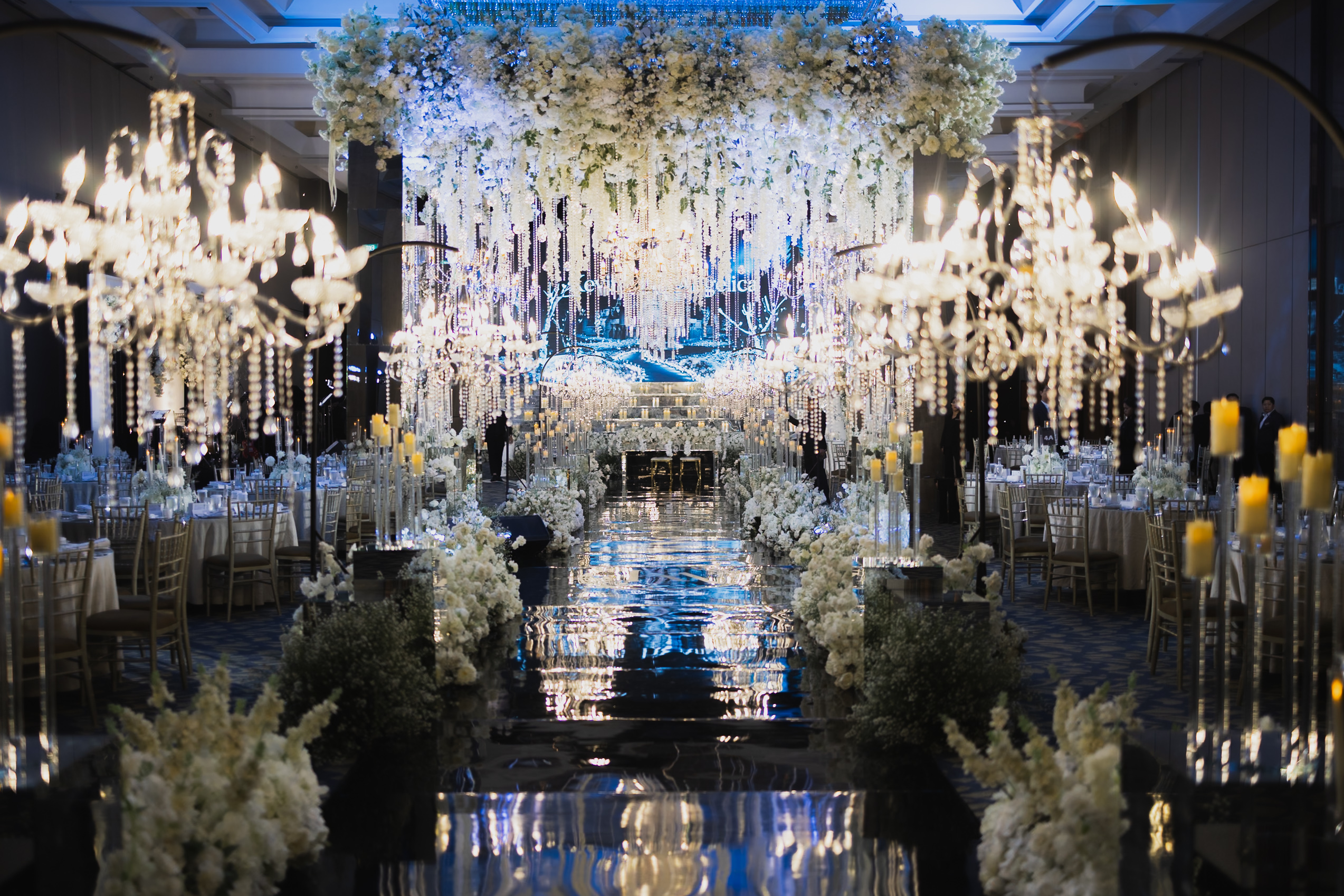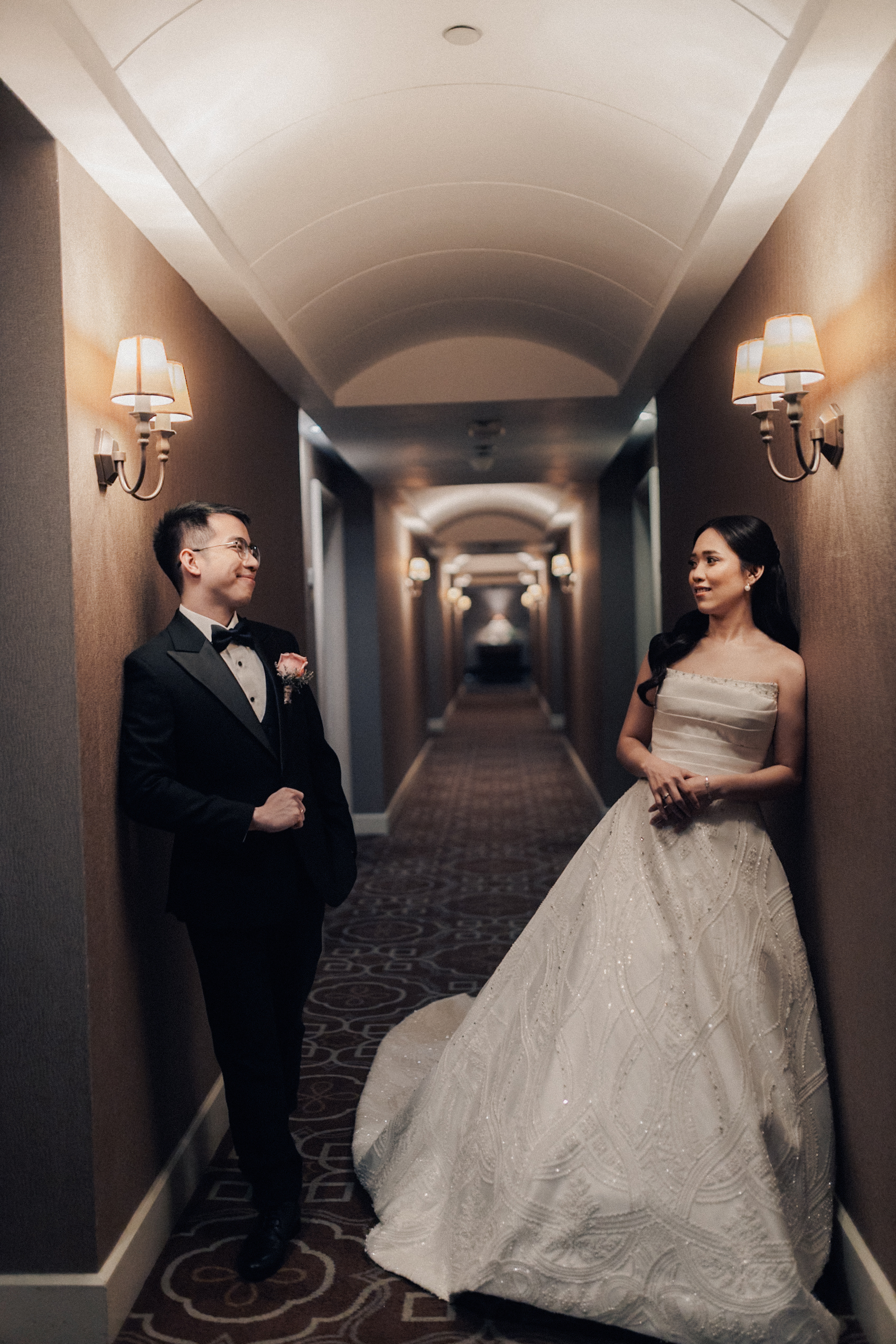
Minimalist weddings remain one of the strongest trends in modern celebrations, combining elegance, simplicity, and intentiona design.
In an era where weddings are becoming increasingly personalized, minimalist celebrations continue to stand out as one of the most influential trends in the industry. Defined by clean aesthetics, intentional details, and understated elegance, minimalist weddings are proving that simplicity can create just as much impact as large-scale luxury events.
What began as a niche aesthetic has now evolved into a broader lifestyle-driven approach to weddings. Modern couples are moving away from excessive decoration and overly crowded concepts, choosing instead to focus on atmosphere, balance, and meaningful experiences.
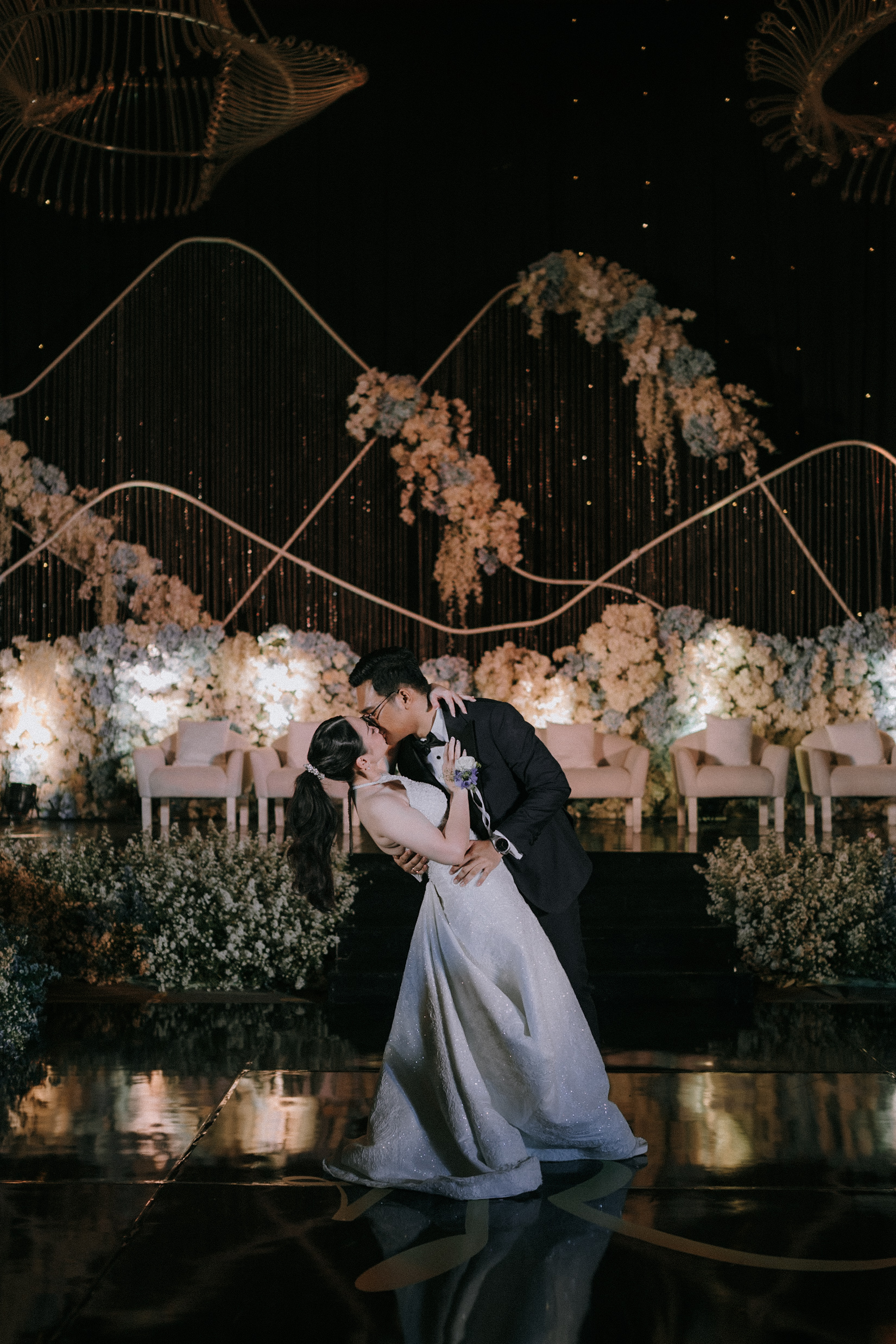
Industry professionals describe minimalist weddings not as “less,” but as “more intentional.” Every element—from floral arrangements to lighting and table settings—is carefully curated to serve a purpose. Rather than filling spaces with decoration, the goal is to create visual harmony and emotional comfort.
Neutral color palettes remain central to this trend. Shades like white, beige, soft grey, and muted earth tones continue to dominate modern wedding styling. These colors create a timeless appearance while allowing natural textures and lighting to become part of the overall aesthetic.
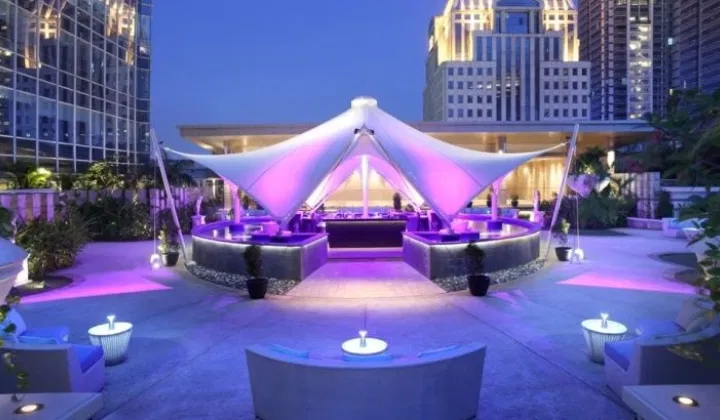
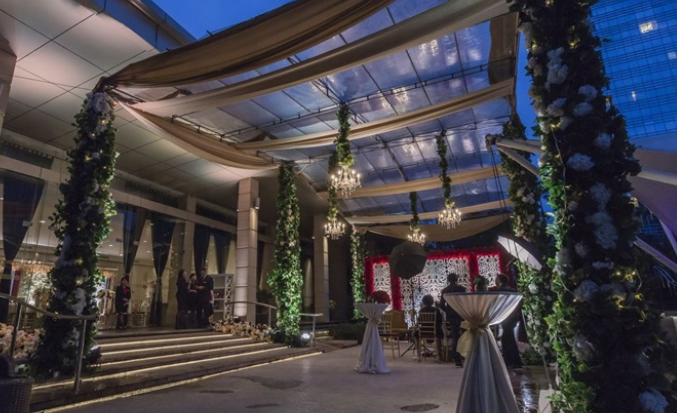
Venue selection also plays a major role. Modern architecture, open spaces, private villas, and naturally lit venues are increasingly popular among couples pursuing minimalist concepts. Instead of relying heavily on decoration, these weddings often use the environment itself as part of the visual experience.
Another factor driving the rise of minimalist weddings is changing attitudes toward luxury. For many couples today, luxury is no longer associated with excess. Instead, it is connected to comfort, intimacy, personalization, and quality. A carefully designed minimalist wedding can feel highly exclusive precisely because it avoids unnecessary elements.
Social media has amplified this movement significantly. Platforms like Instagram and Pinterest have helped establish minimalist aesthetics as aspirational and modern. Clean editorial-style wedding photography, soft color grading, and curated details continue to shape how couples visualize their ideal celebration.
At the same time, minimalist weddings are often perceived as more financially efficient. While simpler designs can reduce unnecessary spending, professionals note that true minimalist styling still requires careful execution. Achieving a clean and elegant appearance often depends on high-quality materials, thoughtful layout design, and precise coordination.
Wedding organizers have also adapted to this growing demand by offering concepts centered around intimate guest experiences and intentional design. Rather than overwhelming guests visually, the focus is placed on creating calm, comfortable, and emotionally engaging environments.
Interestingly, minimalist weddings tend to age well visually. Because the design avoids overly trend-driven elements, photos and videos often maintain a timeless quality years later. This long-term aesthetic appeal has become another reason many couples are drawn to the concept.
As modern wedding culture continues to evolve, minimalist weddings represent more than just a design trend. They reflect a broader shift toward intentional living, where experiences are valued more than extravagance and authenticity matters more than excess.
For many couples today, simplicity is no longer viewed as ordinary. It has become a modern form of elegance.