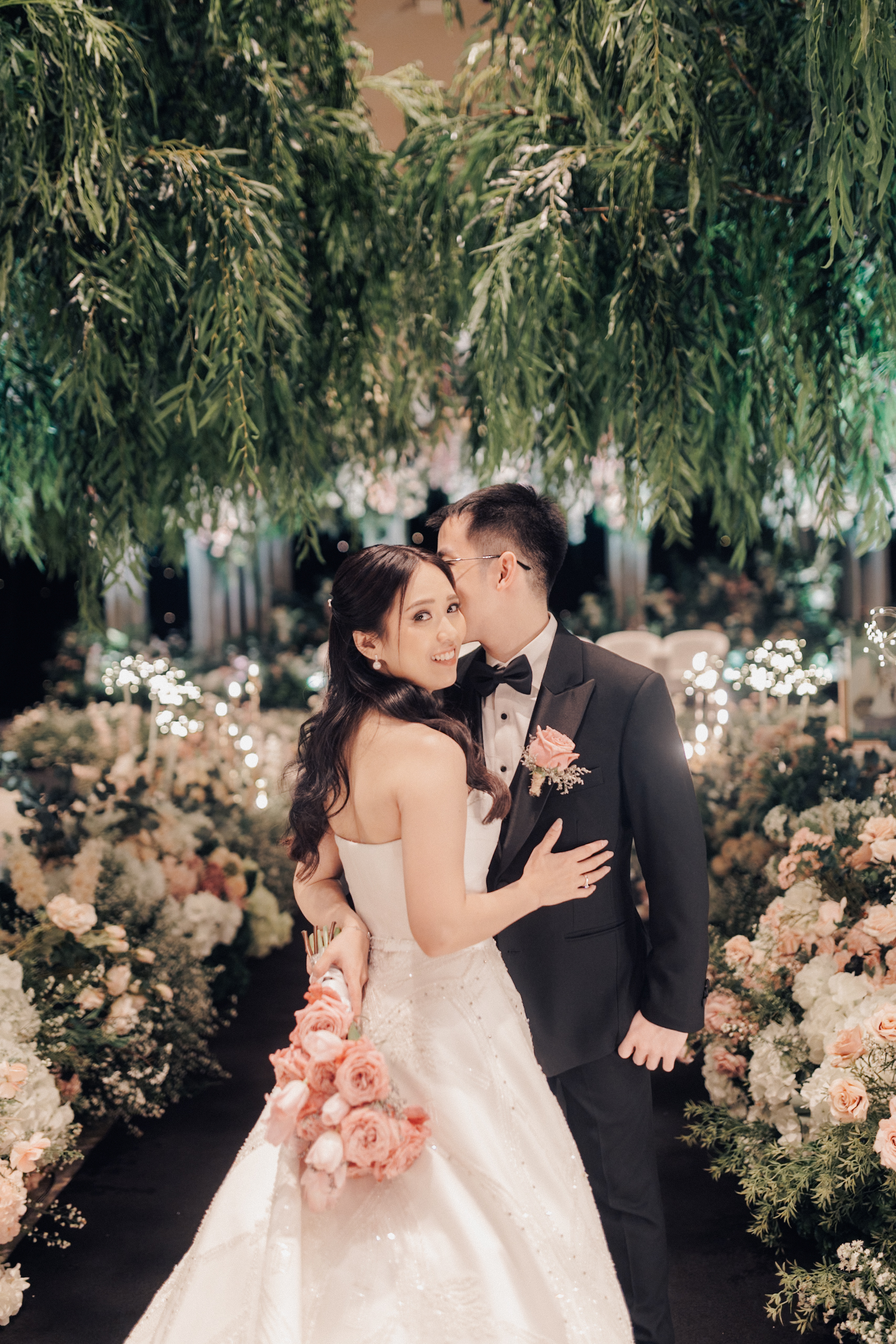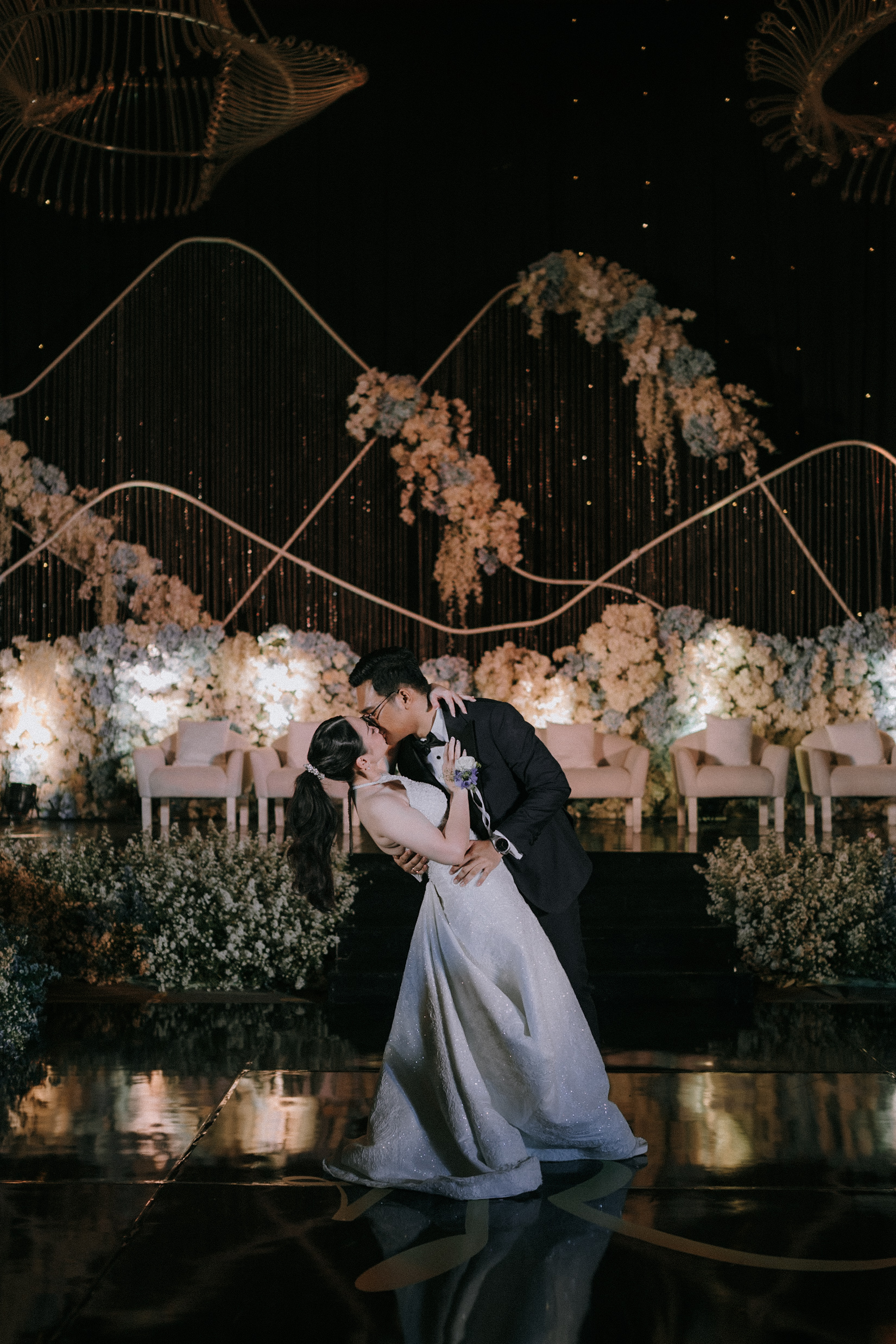
Jakarta wedding culture comes with unique social habits, guest behavior, and unspoken etiquette that many people quietly understand. Attending a wedding in Jakarta is not just about showing up, taking photos, eating dinner, and going home. Over time, the city has quietly developed its own social culture around weddings — a collection of unspoken rules and behaviors that most guests instinctively understand even though nobody formally explains them.
One of the clearest examples is arrival timing. Official invitation hours often say one thing, but experienced Jakarta guests usually calculate “real arrival time” differently. Because of traffic, venue flow, and local social habits, many guests intentionally arrive slightly later than the printed schedule unless they are immediate family or very close friends. Wedding organizers are fully aware of this behavior, which is why many receptions are structured to accommodate gradual guest arrivals rather than expecting everyone to enter simultaneously.
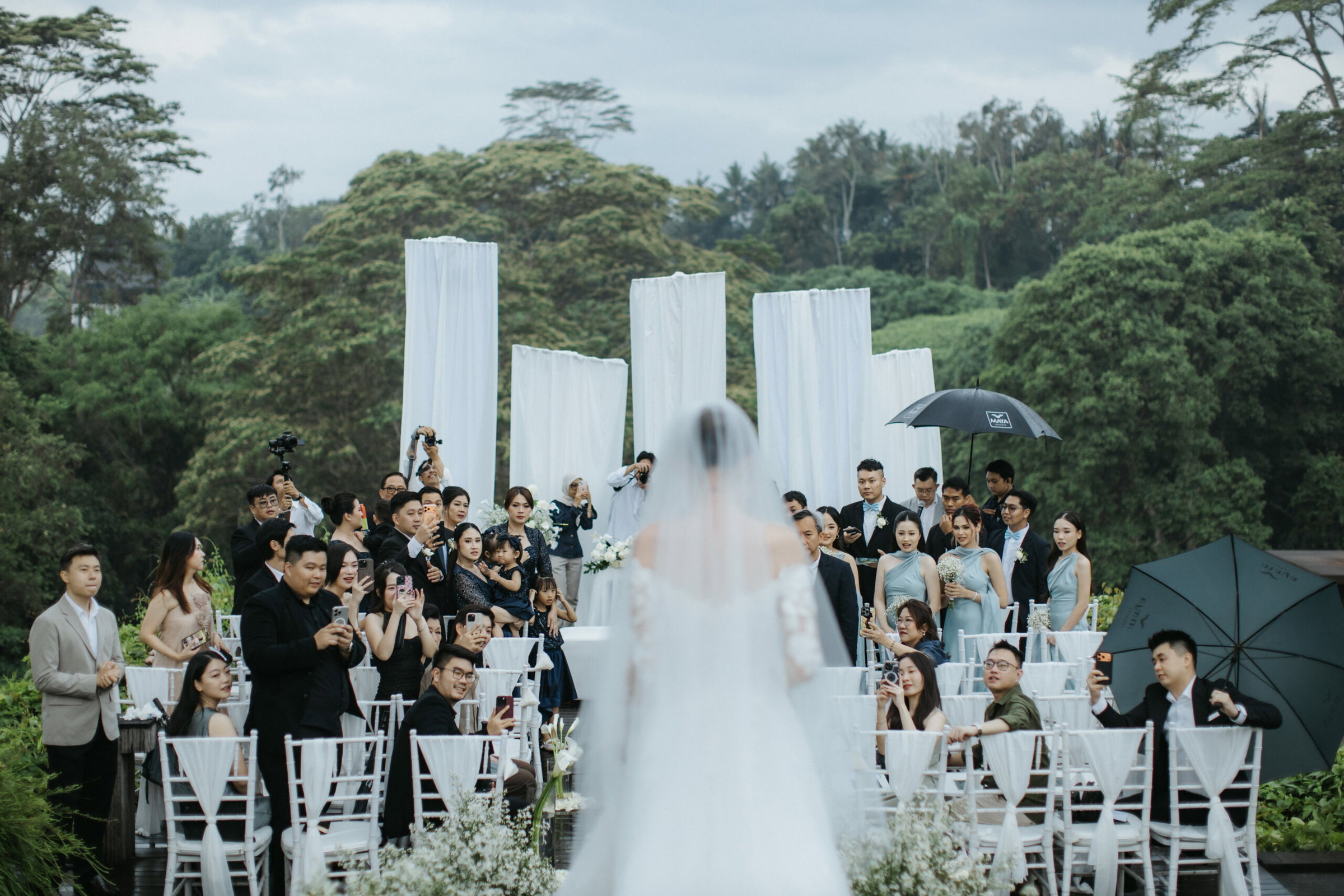
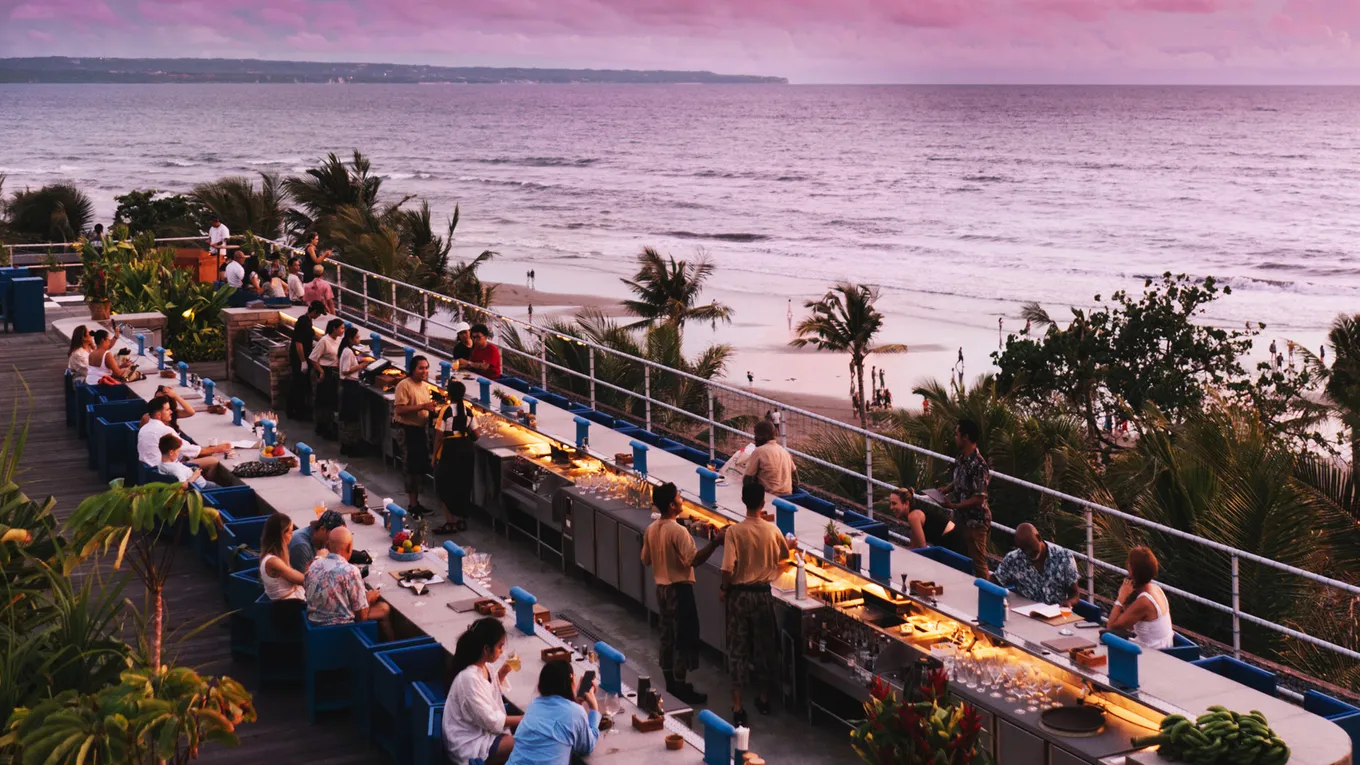
Another interesting part of Jakarta wedding culture is outfit psychology. Guests often spend far more time planning outfits for Jakarta weddings than they would for ordinary formal events. This is partly because weddings in the city have become highly social and visually documented occasions. People know they will likely appear in photos, Instagram Stories, TikTok videos, or background shots captured throughout the reception. As a result, guests quietly pay attention not only to dress codes, but also to venue aesthetics, color palettes, and even which part of Jakarta the wedding is taking place in before deciding what to wear.
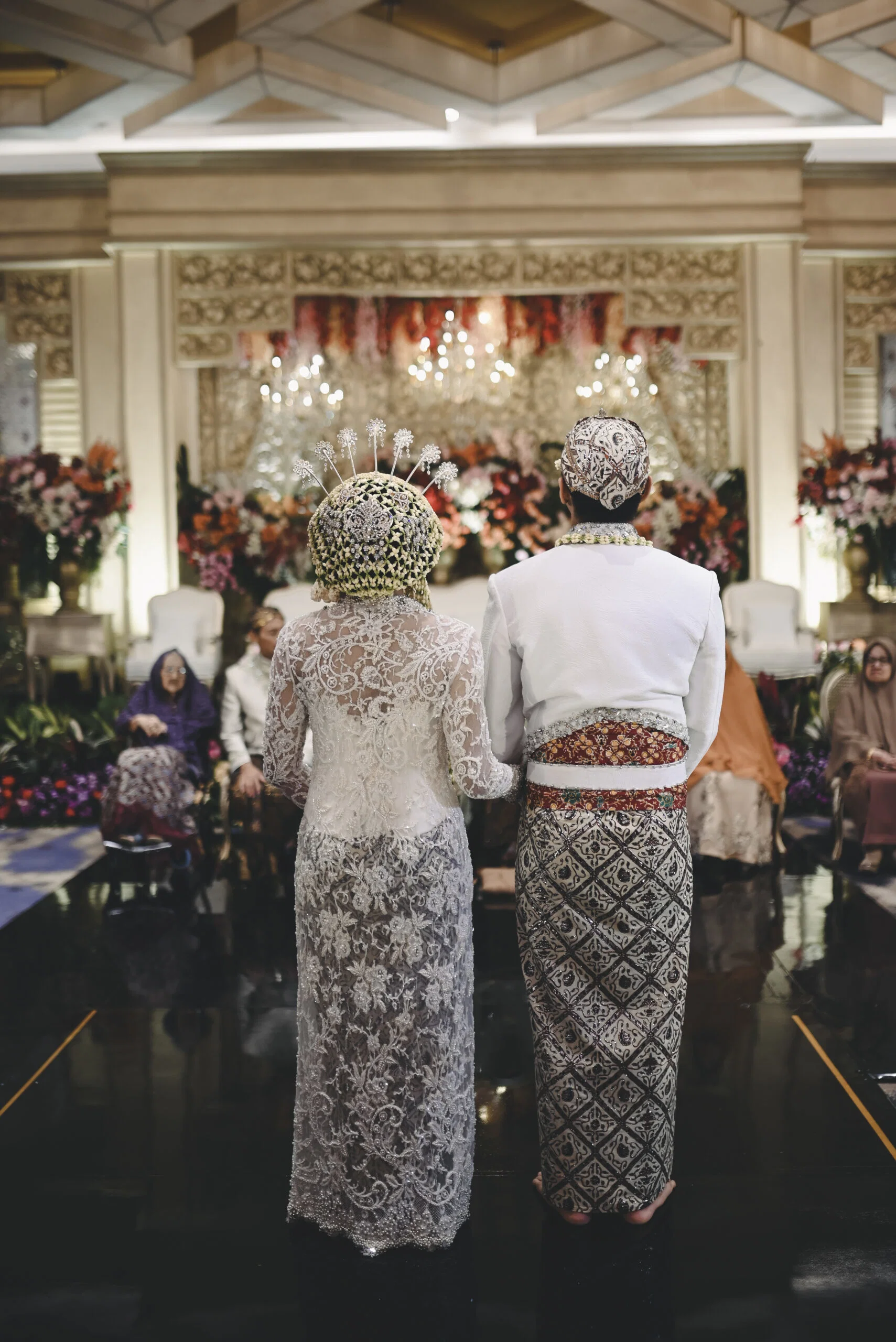
This creates another unwritten rule: never outdress the couple, but never look underprepared either. Jakarta wedding guests often aim for a careful balance between elegant and socially appropriate. At luxury ballroom weddings, formal attire becomes almost expected, while South Jakarta-style intimate weddings usually encourage softer, trendier, and more modern fashion choices.
There is also an interesting social rhythm surrounding the reception itself. In many Jakarta weddings, guests do not necessarily stay for the entire event. Some attend mainly to greet the couple and families, eat briefly, take photos, and continue to other obligations afterward. On busy weekends, it is not unusual for guests to attend multiple weddings in one day across different venues around the city. This creates a wedding culture where movement feels fast-paced, especially during peak wedding seasons.
The photo session line has also become one of the most recognizable parts of Jakarta receptions. Guests understand there is often an invisible balance between wanting meaningful interaction with the couple and not holding up the queue for too long. At very large weddings, this process can move surprisingly quickly because hundreds of people may need to greet the couple within only a few hours.
Another unspoken reality is how much guests observe the operational side of the wedding without openly discussing it. People quietly notice food flow, valet efficiency, seating comfort, air conditioning, and entertainment pacing. Guests may not remember every decorative detail later, but they almost always remember whether the wedding felt smooth and comfortable overall.
Social media has intensified many of these behaviors. Weddings in Jakarta are now experienced both physically and digitally at the same time. Guests are often documenting moments live while still participating in the event itself. Some weddings even become temporary social media trends among local circles for several days after the reception ends.
Interestingly, despite all the glamour and production, Jakarta weddings still remain deeply social at their core. They are not only celebrations of marriage, but also gatherings that reflect family reputation, friendships, professional networks, and urban social culture all at once. This is one reason weddings in the city can feel emotionally intense even for people only attending as guests.
And perhaps that is what makes Jakarta wedding culture so unique. Beyond the flowers, lights, and luxury venues, there is an entire layer of silent social understanding operating underneath the celebration — a set of unwritten rules that almost everyone follows without ever needing to say them out loud.