Wedding invitations are more than formal announcements. They often reveal the style, atmosphere, and personality behind the entire celebration. Most people see wedding invitations as simple formalities. They open the message, check the date and location, maybe glance at the dress code, then move on. But within the wedding industry, invitations are viewed very differently. Long before guests arrive at the venue, the invitation has already begun shaping expectations about the wedding itself.
In many ways, invitations function as the “first impression” of the entire event.
The design, wording, colors, typography, and even the way invitations are delivered often reveal clues about the couple’s personality and the atmosphere guests can expect on the wedding day.
Wedding planners frequently say that guests subconsciously begin forming opinions about a wedding the moment they receive the invitation.
A formal embossed invitation with classic typography creates a completely different expectation compared to a digital minimalist design or playful animated video invitation. Without realizing it, guests immediately imagine what kind of celebration they are about to attend.
This is one reason invitations have evolved so dramatically over the years.
Traditional printed invitations still remain popular, especially for formal or family-oriented weddings. However, modern couples increasingly experiment with digital invitations, wedding websites, interactive RSVP systems, motion graphics, and even cinematic teaser-style videos.
Technology has changed invitations from static announcements into part of the wedding experience itself.
Some couples now create invitation concepts designed specifically for social media sharing. Others use personalized websites where guests can access schedules, dress codes, maps, love stories, accommodation details, and live event updates in one place.
Interestingly, invitation wording itself has also changed significantly.
Older wedding invitations were usually highly formal and family-centered. Modern invitations, however, often feel more personal, relaxed, and conversational. Some couples include inside jokes, personal notes, or storytelling elements that make the invitation feel emotionally connected rather than purely ceremonial.
Dress codes are another detail guests pay closer attention to than many couples expect.
Terms like “formal,” “semi-formal,” “earth tone,” or “all black attire” immediately shape how guests mentally prepare for the event. In today’s social media era, dress codes have become part of the visual identity of weddings themselves.
Even RSVP behavior reveals interesting wedding psychology.
Many couples are surprised to discover how difficult guest confirmations can become. Despite digital convenience, chasing RSVPs remains one of the most common frustrations during planning. Some guests respond late, some forget entirely, and others bring additional attendees unexpectedly.
Because of this, invitation management has become increasingly strategic.
Wedding organizers now treat guest tracking almost like event logistics management. Accurate attendance numbers affect catering, seating arrangements, venue layouts, souvenirs, and overall budgeting.
Another fascinating shift is the growing popularity of “soft-launch” invitations.
Before official invitations are sent, many couples now tease engagement photos, save-the-dates, or pre-wedding content online. Weddings have gradually become multi-stage social events rather than single-day announcements.
Social media has also blurred the line between invitations and branding.
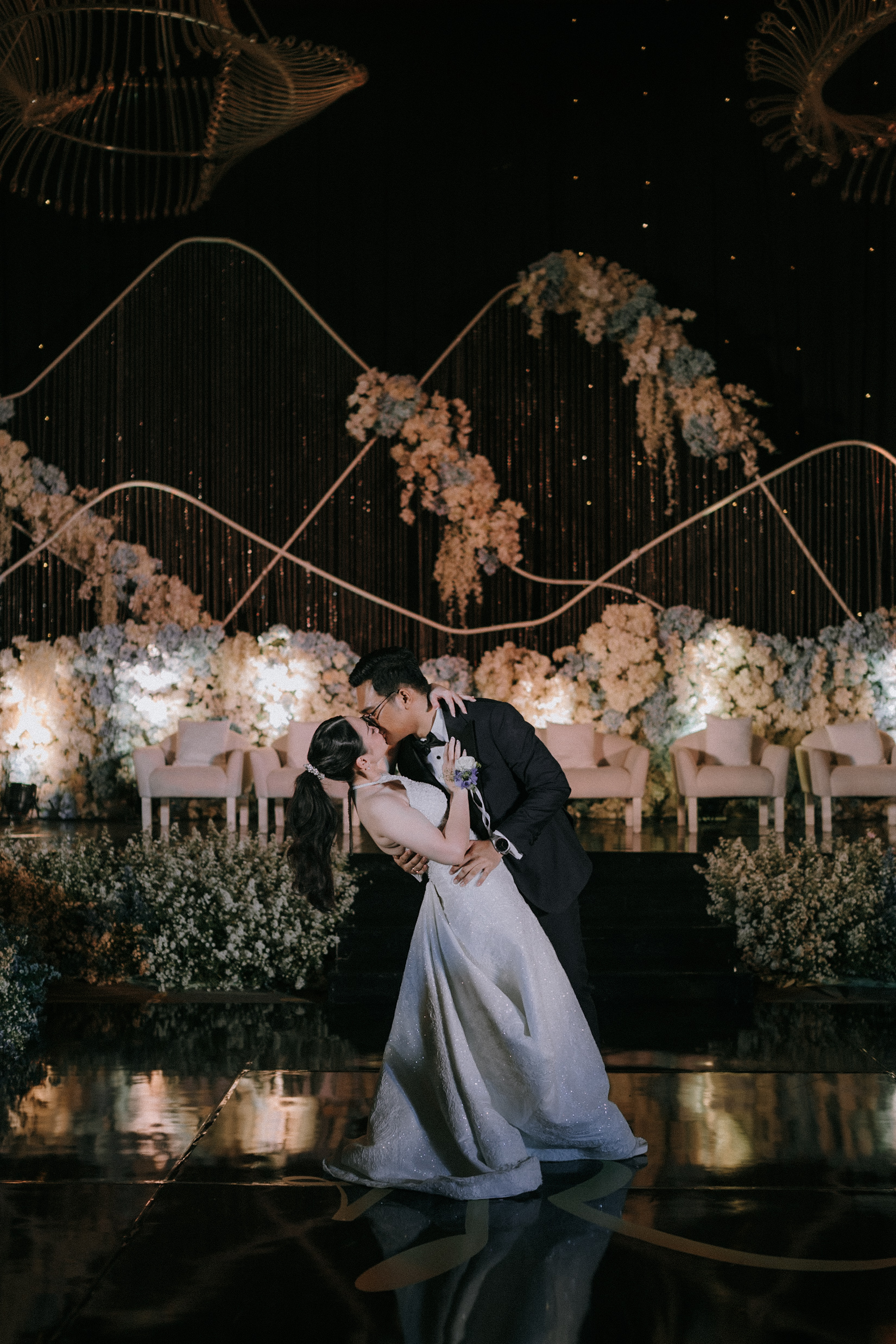
Some weddings now maintain highly cohesive visual identities where invitations match venue styling, dress codes, flowers, signage, and even social media filters. The entire event is treated almost like a creative campaign with consistent aesthetic direction.
Despite all the modern changes, the emotional role of invitations remains surprisingly timeless.
At their core, invitations are still about inclusion. They represent the moment couples formally invite people into one of the most important experiences of their lives.
And perhaps that is why invitations matter more than most people think.
They do not simply tell guests where and when a wedding will happen—they quietly introduce the story, atmosphere, and emotional tone long before the celebration even begins.