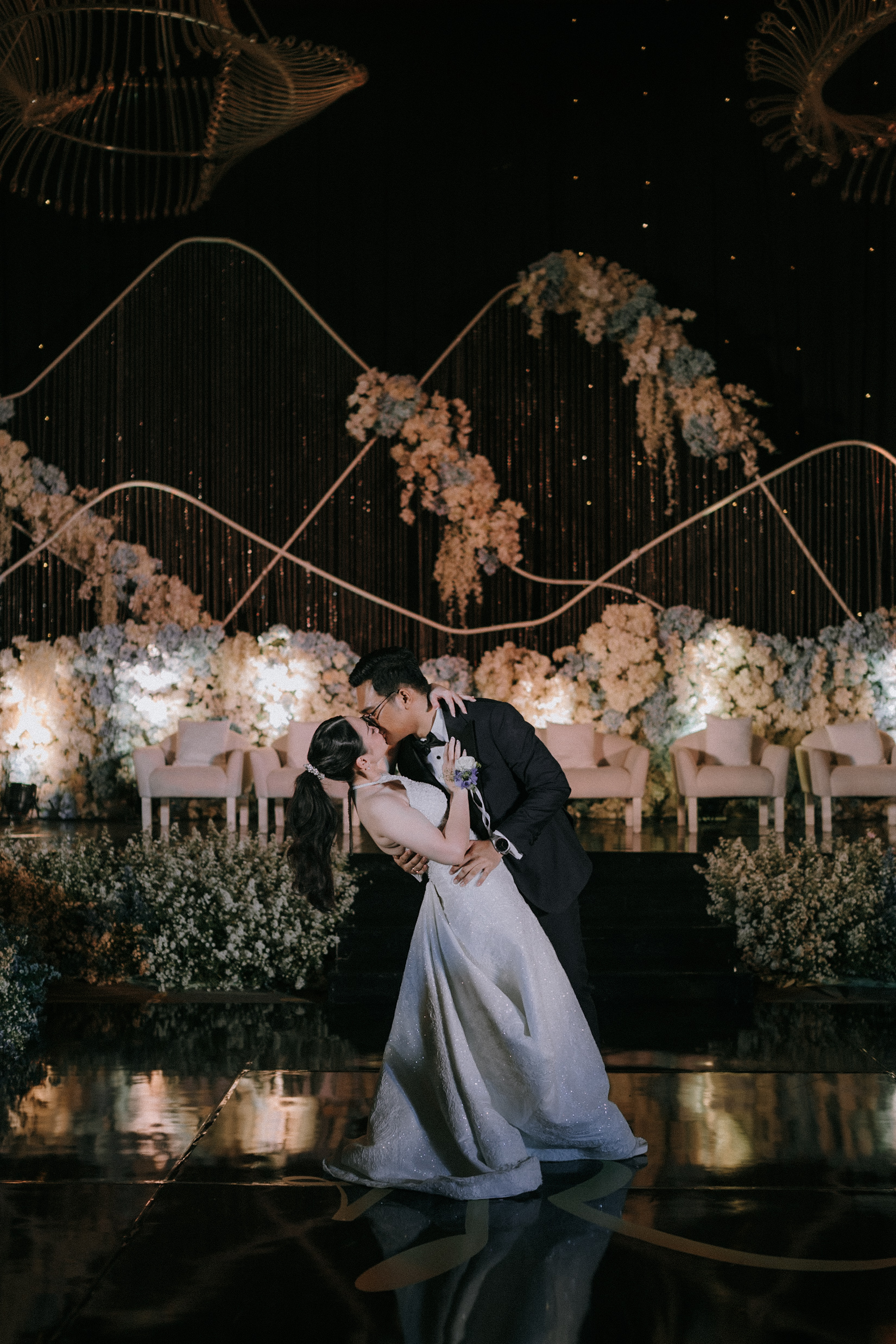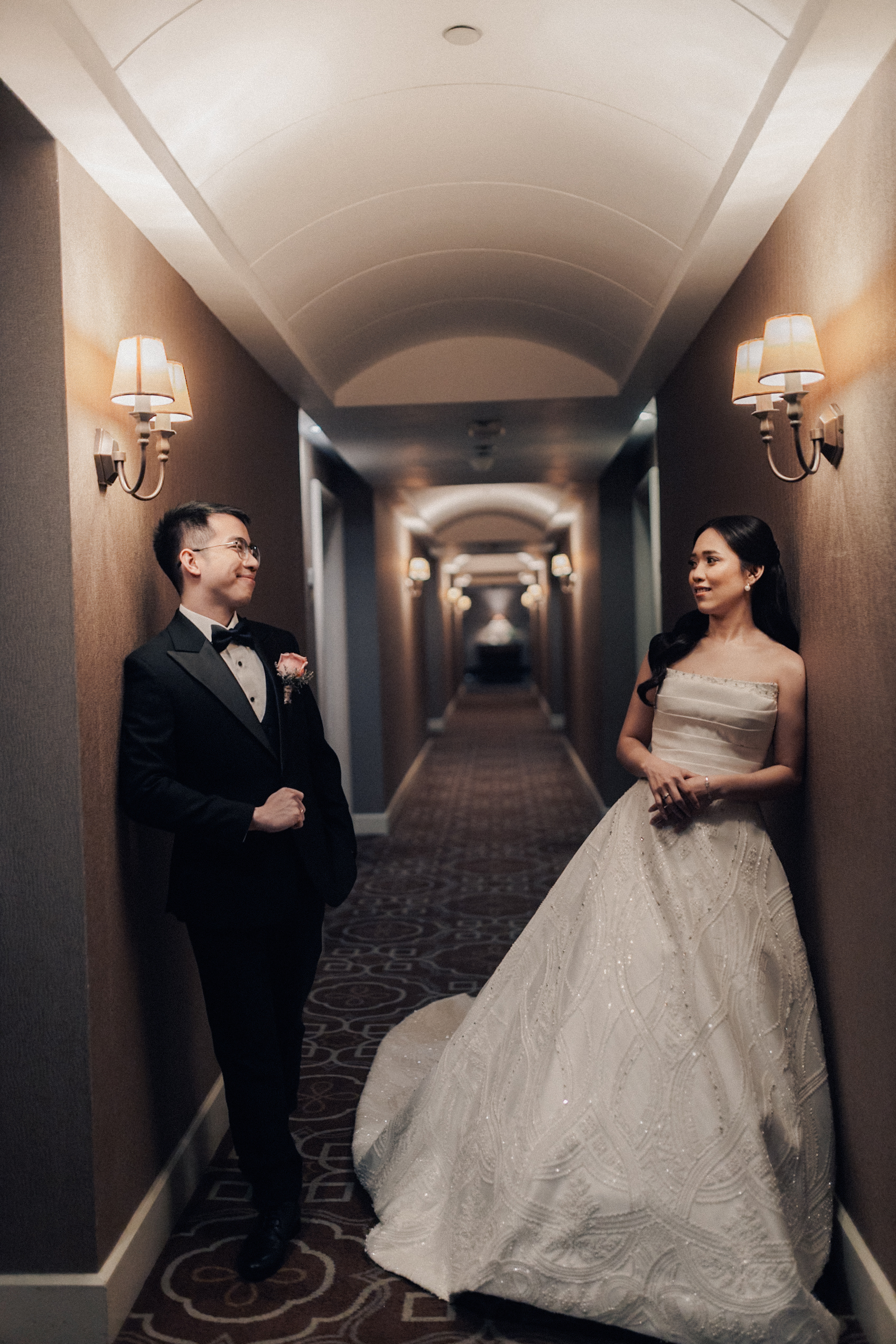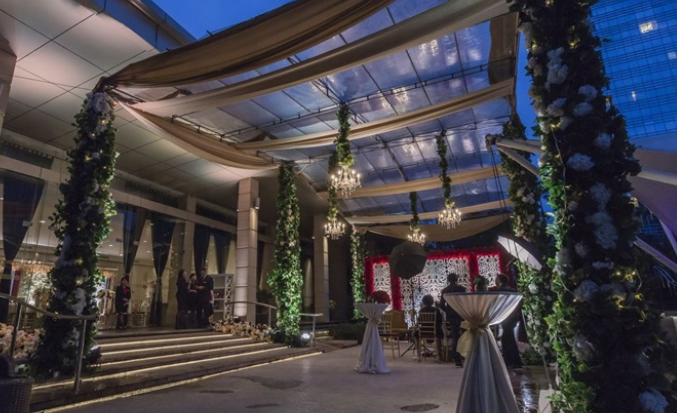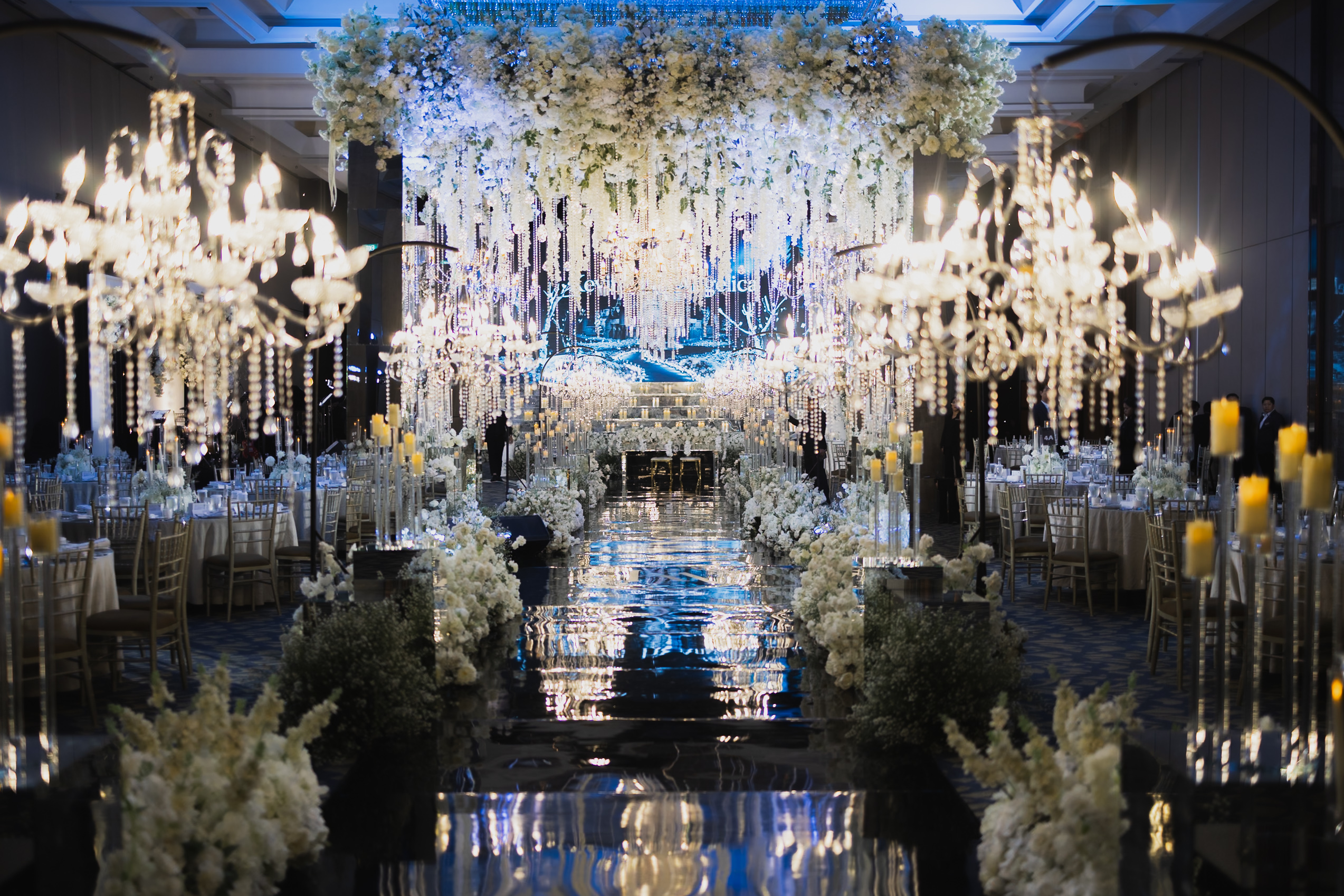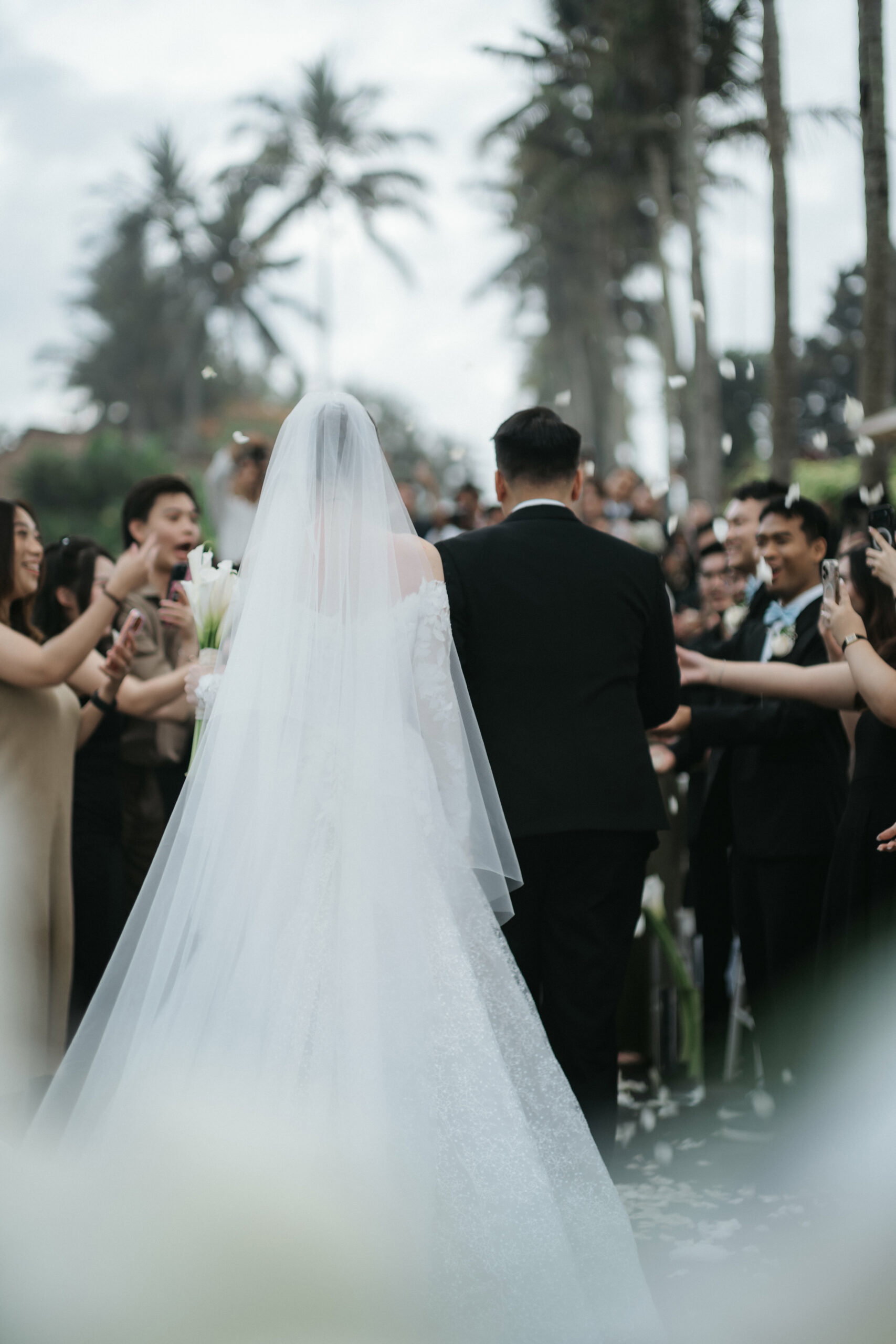
Modern wedding culture is changing not only for couples, but also for guests who now experience growing social and financial pressure around weddings. When people talk about weddings becoming more extravagant, the conversation almost always focuses on the bride and groom. Expensive venues, luxury decorations, cinematic documentation, destination celebrations, and highly curated aesthetics usually become the center of attention online. But quietly, another side of wedding culture has also changed dramatically over the last few years — being a wedding guest has started becoming its own kind of commitment too.
And honestly, many people are starting to feel it.
Attending weddings today no longer means simply showing up for a few hours, eating dinner, taking photos, and going home. Modern wedding culture, especially in big cities and social-media-heavy circles, now comes with layers of unspoken expectations guests did not experience this intensely before. Outfit preparation, transportation planning, makeup appointments, accommodation bookings, pre-wedding events, gift pressure, social media presence, and maintaining appearances throughout the event all quietly add up emotionally and financially.
The shift becomes especially obvious during wedding season when invitations start arriving close together. What initially feels exciting slowly turns into logistical math. One wedding needs formal attire. Another requires specific dress codes. One is held across town during peak traffic hours. Another becomes a destination event requiring flights and hotels. Suddenly guests realize attending multiple weddings in a short period can cost far more than they ever expected.
Social media has amplified this pressure enormously because weddings today are no longer experienced only physically — they are also highly visible online. Guests know they will appear in stories, reels, tagged posts, group photos, and behind-the-scenes videos throughout the night. Because of that, many people feel indirect pressure to “look appropriate” for the event socially and visually. Even guests who normally dress casually often spend significantly more time preparing for weddings now because the atmosphere feels far more image-conscious than before.
Interestingly, the pressure is not always negative. For many people, weddings still feel genuinely exciting because they create rare opportunities to reunite with friends, wear formal outfits, experience beautiful venues, and temporarily step into emotionally celebratory environments. Weddings break normal routines in ways everyday life rarely does anymore. That emotional excitement is part of why modern wedding culture continues growing bigger despite how exhausting it can sometimes become.
But there is no denying that guest expectations have evolved dramatically.
Pre-wedding events alone now often include engagement dinners, bridal showers, bachelor or bachelorette trips, rehearsal gatherings, intimate ceremonies, and after parties beyond the wedding day itself. Close friends and bridal parties especially can end up dedicating huge amounts of time, energy, and money throughout the entire celebration process long before the actual wedding even happens.
Destination weddings create another layer entirely. Bali weddings, for example, may look breathtaking online, but guests often quietly calculate transportation costs, accommodation budgets, vacation leave schedules, and travel logistics before deciding whether attending is realistically possible. Even local Jakarta weddings can feel exhausting because of traffic, parking, long timelines, and late-night schedules stretching far beyond midnight.
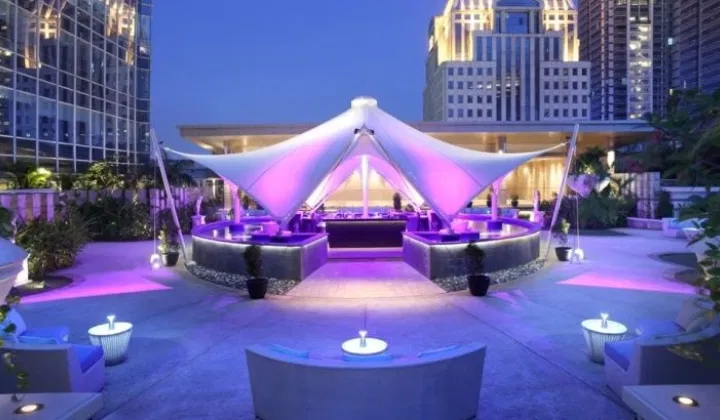
Ironically, weddings themselves are becoming more guest-focused at the same time. Modern couples genuinely care about creating enjoyable experiences for attendees rather than simply hosting formal ceremonies. Interactive entertainment, personalized details, aesthetic venues, better food experiences, comfortable lounges, and immersive atmospheres all exist partly because couples understand guests now invest far more effort into attending weddings than before.
This creates an interesting cycle where weddings become increasingly elaborate partly because everyone involved — couples and guests alike — now experiences them as much bigger social events than previous generations did. Weddings no longer feel like isolated family ceremonies. They feel like full cultural experiences combining celebration, fashion, travel, content creation, networking, and emotional reunion all at once.
And perhaps that is why modern weddings feel simultaneously exciting and exhausting for so many people today. Beneath all the glamour and beautiful content online, there is also a quiet reality nobody talks about enough: weddings are no longer expensive only for the couple getting married — they have slowly become emotionally, socially, and financially demanding for almost everyone involved in the room too.