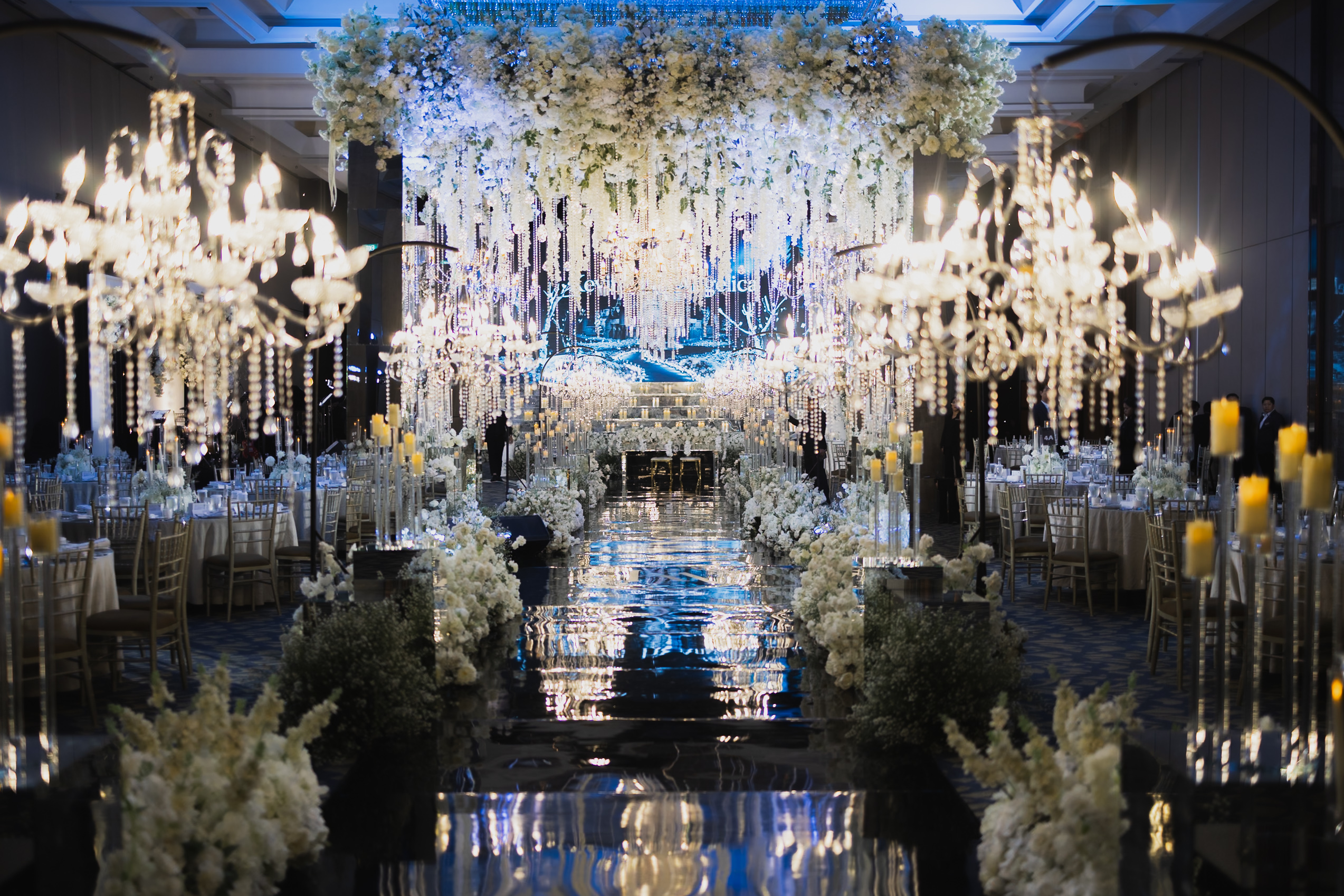
Wedding music trends continue to evolve as couples focus on creating emotional and immersive atmospheres for their celebrations. Music has always been an essential part of weddings. From the ceremony entrance to the final dance of the night, songs help shape emotions, energy, and atmosphere throughout the celebration. Today, however, the role of wedding music is evolving beyond tradition.
Modern couples are becoming increasingly intentional about the sound experience of their wedding day. Rather than simply selecting popular romantic songs, many are curating playlists and performances that reflect their personality, relationship, and overall event atmosphere.
Industry professionals note that music is now viewed as part of the wedding identity itself. Couples are paying closer attention to how different songs influence mood and guest experience. The focus has shifted from simply filling silence to creating emotional transitions that make the event feel immersive and memorable.
One of the biggest changes is the growing preference for personalized music choices. Traditional wedding songs still remain popular, but many couples are now choosing tracks that hold personal meaning—even if they are unconventional for weddings. Songs connected to shared memories, favorite artists, or important life moments are increasingly becoming part of ceremonies and receptions.
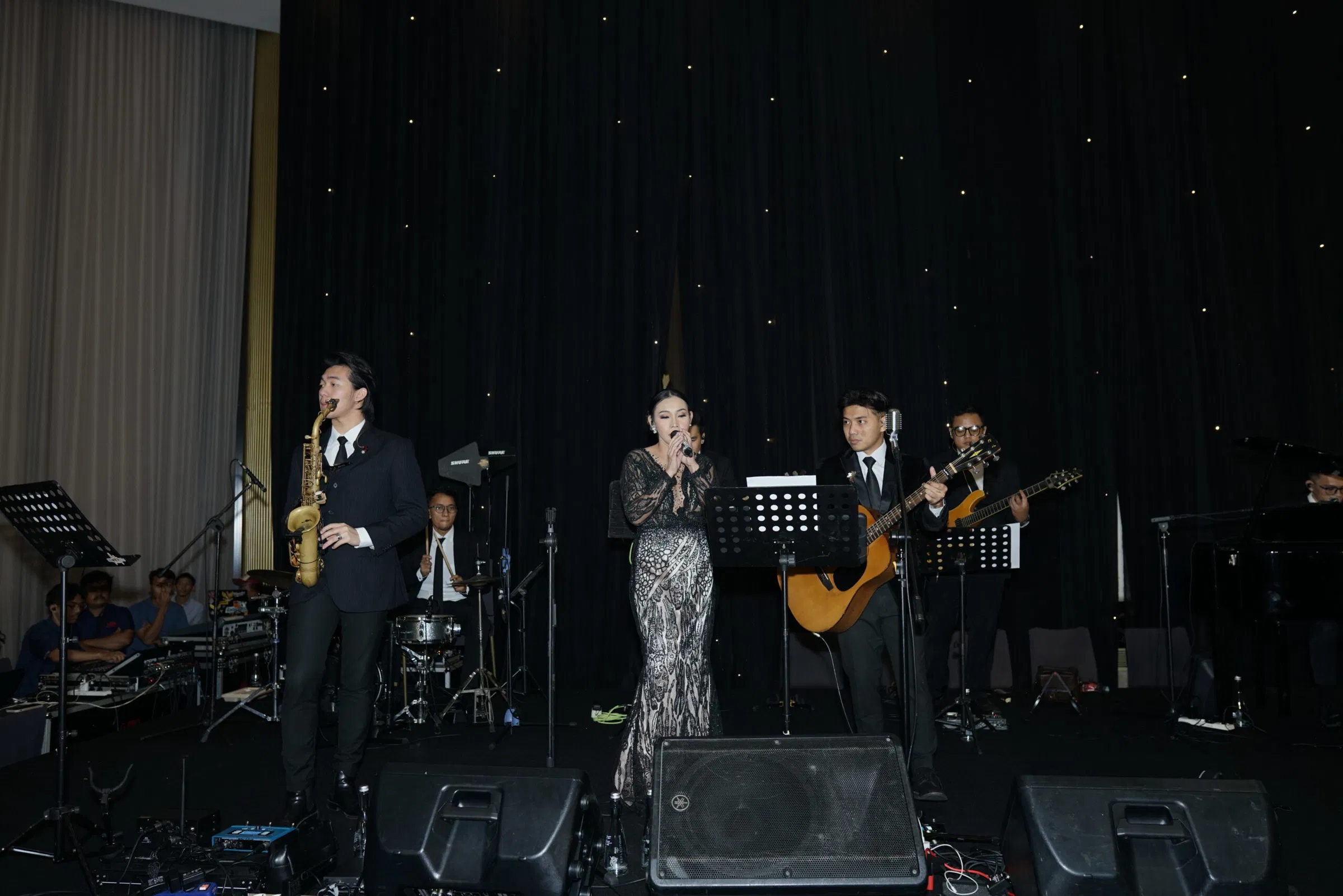
Live music has also regained popularity in recent years. Acoustic performers, string ensembles, and live bands are frequently chosen to create a more emotional and elegant atmosphere. Unlike recorded playlists, live performances add spontaneity and human connection that many couples feel cannot be replicated digitally.
At the same time, DJs continue to play a major role, especially during receptions and after parties. Modern wedding receptions often transition into social celebrations where music becomes central to guest interaction and energy. The ability to read the crowd and maintain atmosphere has become a highly valued skill among wedding entertainment professionals.
Social media has significantly influenced wedding music trends as well. Platforms like TikTok and Instagram have introduced certain songs into mainstream wedding culture, causing tracks to rise in popularity almost overnight. Couples are often inspired by viral ceremony entrances, first dances, or emotional edits shared online.
However, this influence has also encouraged couples to move away from standardized playlists. Many now want their wedding to feel unique rather than identical to trends circulating online. As a result, customization has become more important than popularity itself.
Wedding organizers have adapted by treating music planning as a more collaborative process. Discussions about timing, transitions, emotional flow, and audience energy are now considered essential parts of event planning rather than secondary details.
Experts believe this shift reflects a broader evolution in weddings overall. Modern celebrations are becoming increasingly experience-driven, where atmosphere and emotional impact matter as much as visual presentation. In this context, music plays a powerful role because it directly shapes how people feel in the moment.
Interestingly, guests often remember music more than expected. Certain songs become emotionally tied to the event itself, instantly bringing back memories long after the wedding has ended. This emotional connection is one reason couples are becoming more selective and intentional about every musical choice.
As wedding culture continues to evolve, one thing remains clear: music is no longer just background entertainment. It has become one of the strongest tools for creating emotion, atmosphere, and unforgettable memories.
For many modern couples, the perfect wedding is not only about how it looks—but also about how it sounds.