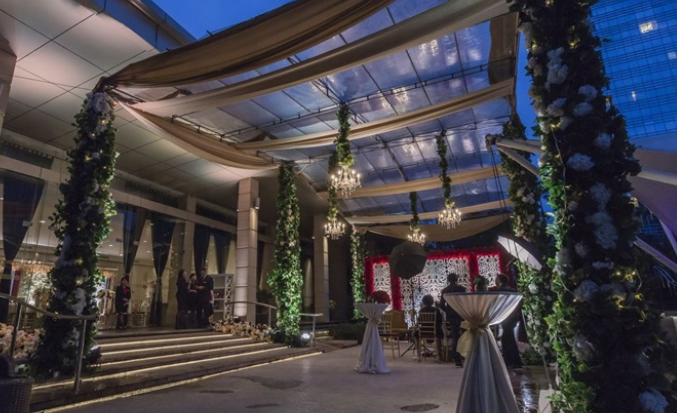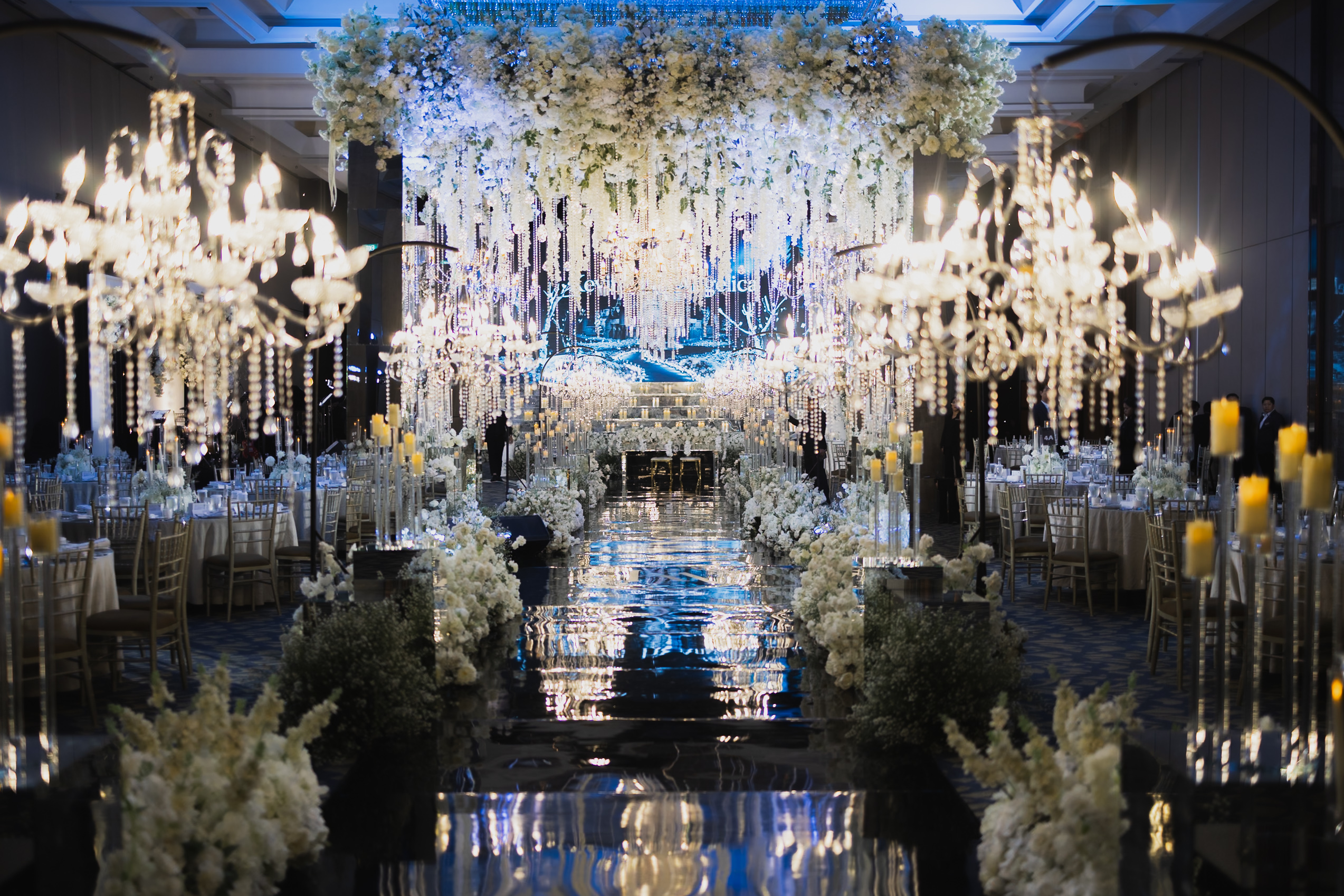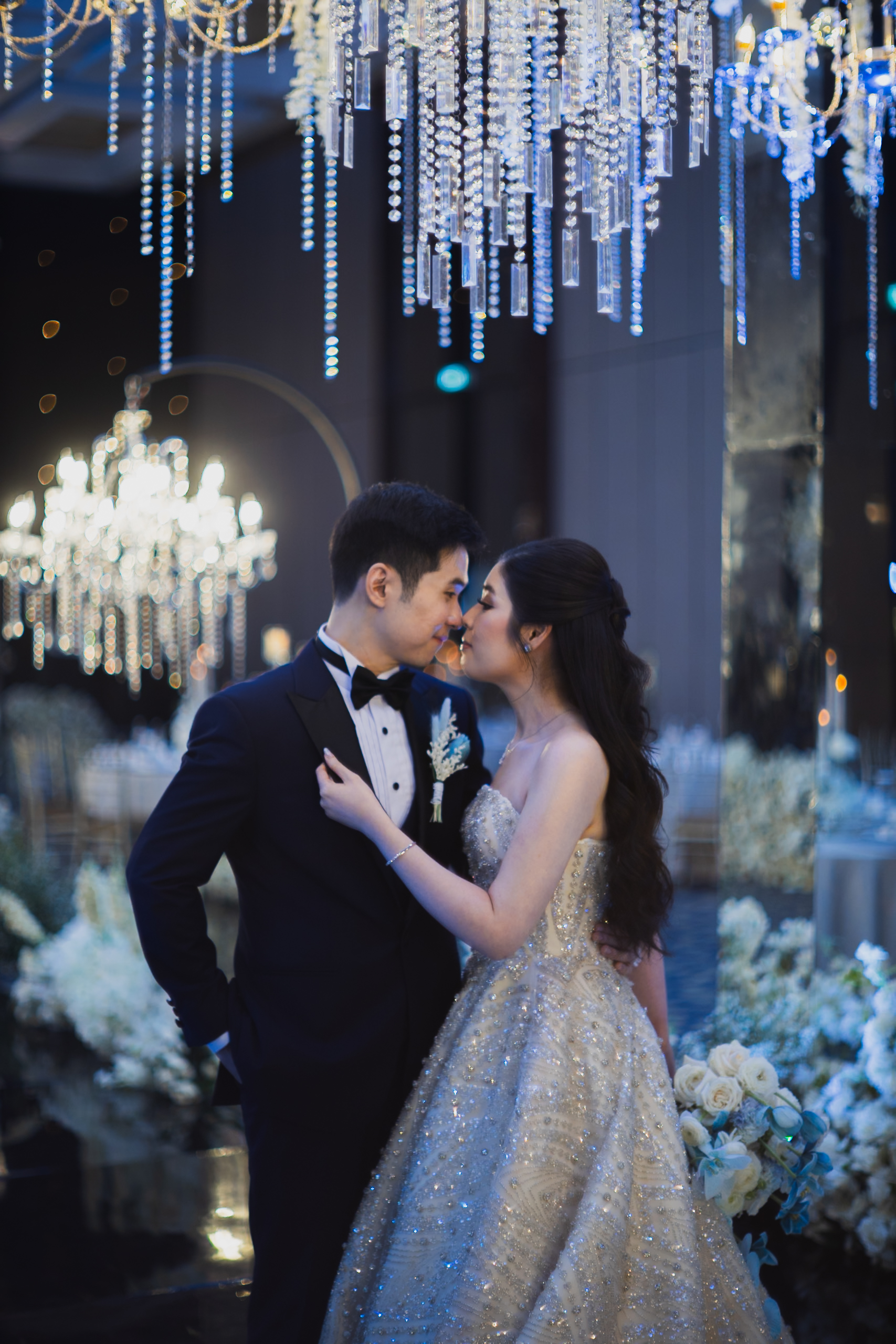
Modern wedding packages are evolving into highly organized, experience-driven solutions that make luxury weddings feel smoother and far less stressful for couples. A few years ago, wedding packages were often seen as the “practical” option rather than the exciting one. Many couples assumed packages would make their wedding feel repetitive, less personal, or too similar to other events. Because of that, building weddings vendor by vendor became extremely popular, especially among couples who wanted full creative control over every small detail. At the time, personalization felt like the ultimate luxury because it allowed people to create something that looked entirely unique to them. But as modern weddings became more ambitious, more aesthetic-driven, and far more operationally complex behind the scenes, many couples slowly started realizing something unexpected: organizing everything separately may look flexible at first, but it can quickly become mentally exhausting once the planning process actually begins.
The reality is that weddings today involve an enormous amount of invisible coordination most people never think about when they first get engaged. Couples are no longer planning only a ceremony and dinner reception. They are managing visual concepts, guest experience, entertainment flow, social media content, timeline precision, family coordination, transportation logistics, lighting atmosphere, accommodation planning, and dozens of other moving parts all at once. Even the smallest details now affect each other operationally. Something as simple as changing entrance timing can impact photography schedules, catering flow, entertainment pacing, and guest movement simultaneously. Because of this, wedding planning no longer becomes stressful because of one major issue — it becomes stressful because hundreds of tiny decisions slowly pile up every single week until couples feel mentally crowded by unfinished tasks constantly floating around in their heads.
This is exactly why wedding packages are suddenly becoming much more attractive again, especially among modern couples who value smooth experiences as much as aesthetics. The strongest packages today no longer feel like rigid templates where everything is fixed from the beginning. Instead, they function more like organized ecosystems where vendors, timelines, logistics, and production systems already work together naturally behind the scenes. Couples still get personalization and creative flexibility, but they no longer have to carry the full operational burden themselves. That difference becomes incredibly important once wedding preparation enters the final months and emotional pressure starts increasing from every direction simultaneously.
Interestingly, the biggest advantage of wedding packages is often not financial savings at all. It is emotional efficiency. Couples who organize vendors separately frequently underestimate how tiring constant coordination becomes over time. Endless meetings, revisions, follow-ups, payment tracking, family discussions, scheduling conflicts, and vendor communication slowly consume emotional energy even before the wedding day arrives. Packages reduce a huge portion of that invisible mental workload because teams already understand each other operationally. Makeup artists know the photographer’s pace. Decoration teams understand ballroom timing. Coordinators already know how entertainment transitions will work. Instead of forcing the couple to become the center of every logistical discussion, the system itself already has rhythm and structure built into it.
This becomes even more valuable in cities like Jakarta where wedding operations move incredibly fast. Ballroom loading times are strict, traffic creates unpredictable delays, and large guest counts make timeline precision extremely important. Weddings may look glamorous from the outside, but behind every smooth reception is usually a highly coordinated production schedule running almost minute by minute. Packages help reduce operational friction because communication lines are shorter and vendor familiarity already exists long before the wedding day begins. Bali weddings reveal this even more clearly because destination weddings involve accommodation coordination, transportation flow, weather preparation, and multi-day event management simultaneously. Couples planning remotely often realize very quickly that having one integrated package team feels dramatically safer and calmer than trying to manage disconnected vendors individually from another city or country.
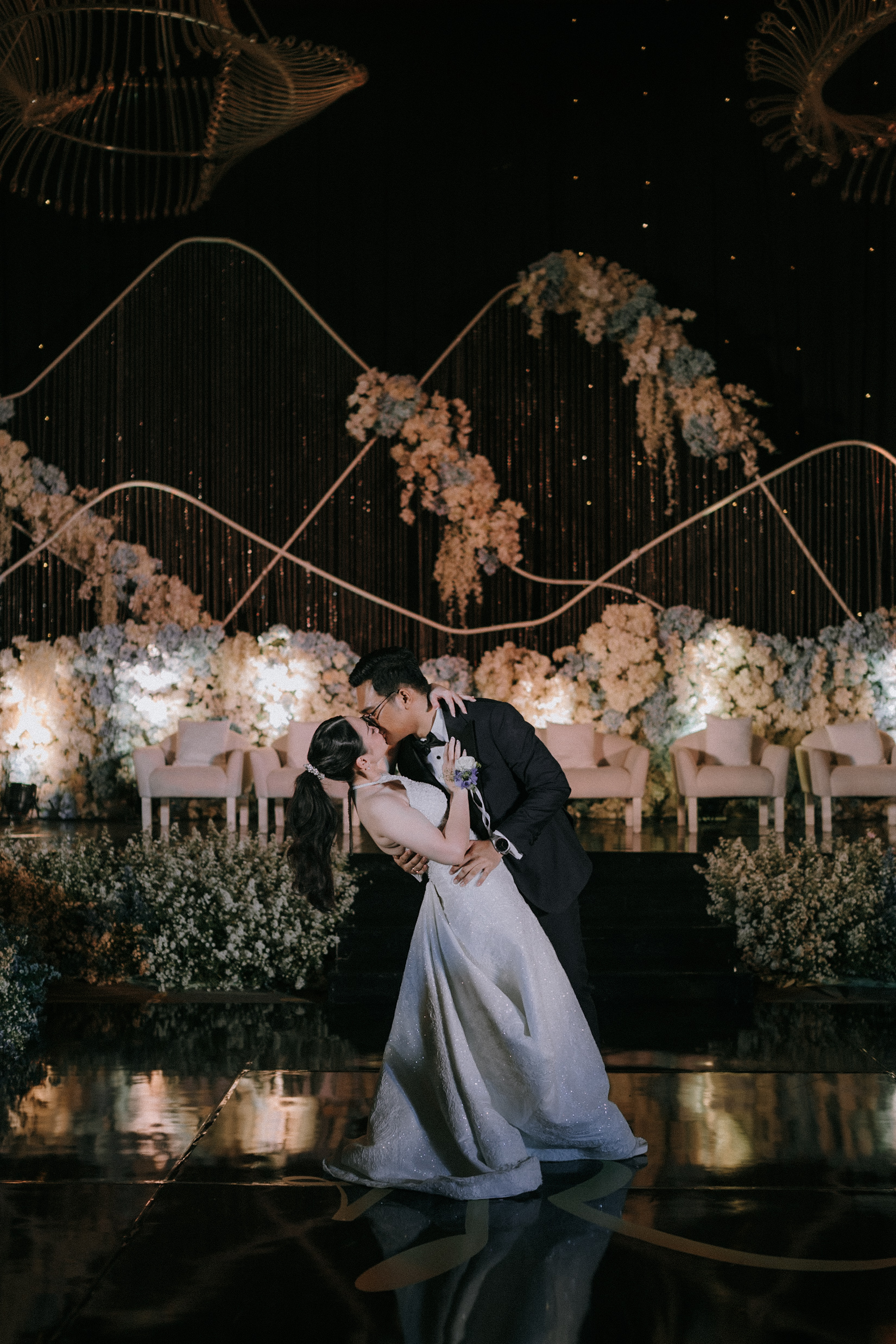
Social media has also changed wedding package culture in a surprisingly positive way. Years ago, packages often felt visually repetitive because trends moved slowly and customization options were limited. Today, however, couples constantly seek unique aesthetics, immersive guest experiences, and emotionally cinematic celebrations. Because of this, wedding vendors themselves have evolved aggressively to stay relevant. Modern packages are now built around atmosphere and storytelling rather than simply technical service lists. Some focus on intimate luxury, others on modern editorial styling, tropical destination experiences, or highly produced ballroom productions. The package becomes less about limiting creativity and more about helping couples execute ambitious ideas without drowning emotionally during the process.
Ironically, wedding packages are becoming more luxurious precisely because modern life has become more exhausting. Couples today are balancing careers, social expectations, family involvement, digital pressure, and nonstop wedding inspiration online all at the same time. Under those conditions, having an organized system that protects mental energy starts feeling far more valuable than handling every detail independently just for the sake of saying the wedding was “fully custom.” The luxury is no longer only about flowers, stages, or expensive venues. Increasingly, the real luxury is being able to enjoy the engagement period without feeling overwhelmed every single week leading up to the wedding itself.